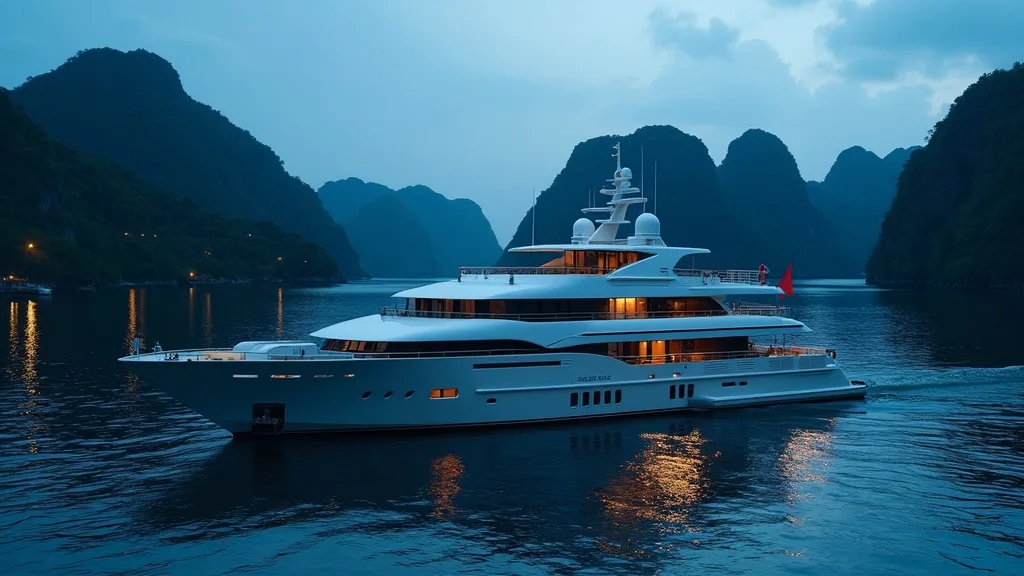
As of 2027, direct tourist access to Wayag Island remains temporarily suspended, a measure implemented since June 2025 due to local community restrictions. This closure, affecting the renowned limestone karst landscape within the Waigeo Barat National Water Conservation Area, underscores an ongoing commitment to preserving its exceptional marine biodiversity and fragile ecosystems for future generations.
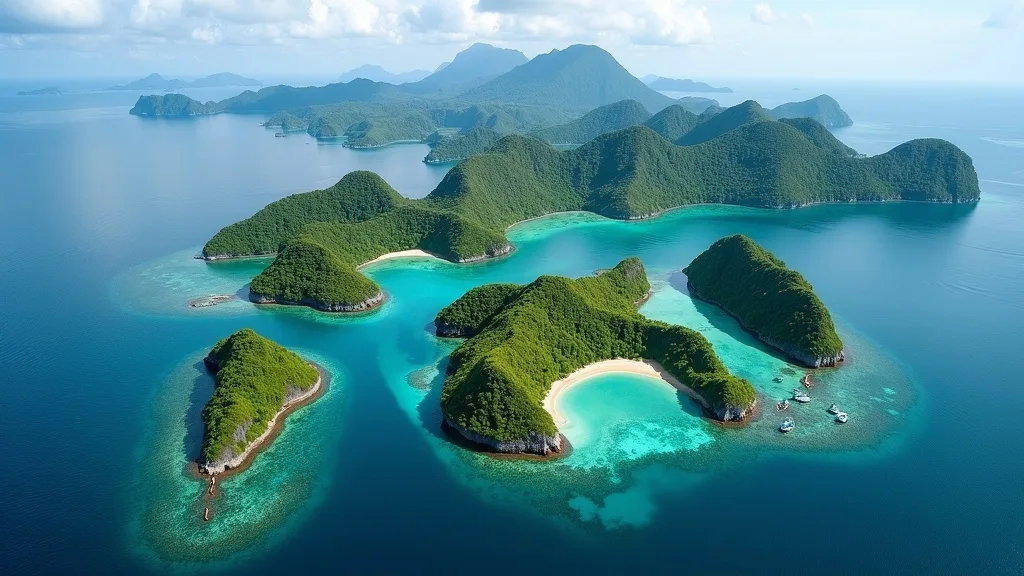
Wayag, a name synonymous with Raja Ampat’s dramatic beauty, has captivated imaginations globally. Its distinctive collection of mushroom-shaped limestone islets, rising from turquoise waters, is an image frequently used to represent the entire archipelago. However, the future of experiencing Wayag directly has shifted significantly. Since June 2025, and continuing into 2027, the area has been closed to all tourist activities. This temporary cessation, primarily enforced by local customary communities, particularly in the Waigeo Barat District, reflects a growing emphasis on sustainable management and the intrinsic value of conservation over immediate tourism revenue.
The closure of Wayag, while disappointing for prospective visitors, provides a critical opportunity to reflect on the long-term health of this vital marine environment. Wayag falls within the Waigeo Sebelah Barat National Water Conservation Area (KKPN), encompassing a substantial 271.63 hectares and featuring 195 distinct landmass islands. This designation is not merely administrative; it acknowledges the region’s extraordinary ecological significance, demanding a careful balance between human interaction and ecological integrity.
Understanding Wayag’s Conservation Status
The temporary closure of Wayag is a multifaceted issue, rooted in both local community concerns and broader conservation objectives. The ‘pemalangan’, or customary prohibition by indigenous communities, highlights the importance of local stewardship and the right of traditional landowners to manage their ancestral territories. For years prior to this, Wayag, despite its remote location approximately 300 kilometres from Waisai, attracted an average of 4,000 visitors annually, totalling around 20,000 tourists over the five years leading up to the closure in 2025. This significant influx, while economically beneficial, inevitably placed pressure on the delicate ecosystems.
The absence of any permanent accommodation, such as homestays, on Wayag itself meant that all visits were long, arduous day trips. This logistical challenge, combined with the considerable expense involved in reaching such a remote location, meant that Wayag was already a high-cost destination. The current closure allows for a period of natural regeneration, reducing human impact on the terrestrial and marine environments, and potentially paving the way for more sustainable tourism models should it reopen in the future. The Wayag experience, even if it remains inaccessible, contributes to the allure of luxury raja ampat travel, embodying the region’s commitment to preserving its most precious sites.
Biodiversity: The Heart of Wayag’s Value
The true worth of Wayag extends far beyond its photogenic karsts; it lies in its biodiversity. The waters surrounding Wayag are a vibrant crucible of marine life, an integral part of Raja Ampat’s position at the heart of the Coral Triangle. Here is a glimpse into the rich of species that call this area home:
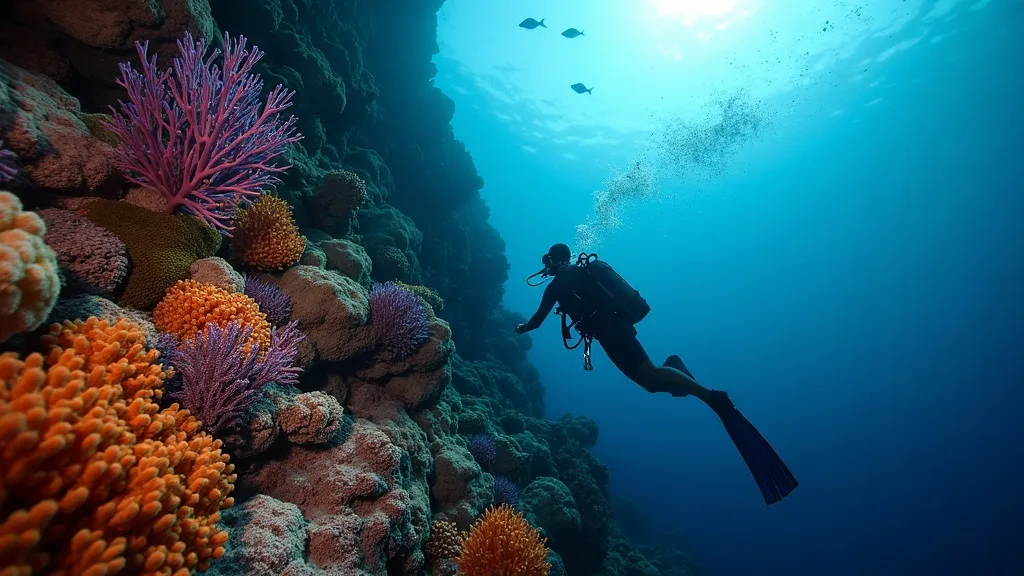
- Coral Species: The region boasts an astonishing 533 types of coral, forming intricate reef systems that are vital nurseries for marine life.
- Fish Diversity: While 74 species of reef fish have been specifically identified within Wayag’s immediate vicinity, the broader Raja Ampat area supports over 1,300 species of reef fish.
- Crustaceans: A remarkable 57 types of mantis shrimp, known for their vibrant colours and powerful strikes, inhabit these waters.
- Molluscs: Over 700 species of molluscs thrive here, including seven species of giant clams, crucial filter feeders within the ecosystem.
- Marine Mammals: Thirteen species of marine mammals, including the elusive dugong, frequent the waters, highlighting the area’s significance as a feeding and breeding ground.
- Rare Sea Turtles: Five species of rare sea turtles, notably the critically endangered hawksbill turtle, utilise Wayag’s waters and surrounding areas for foraging and nesting.
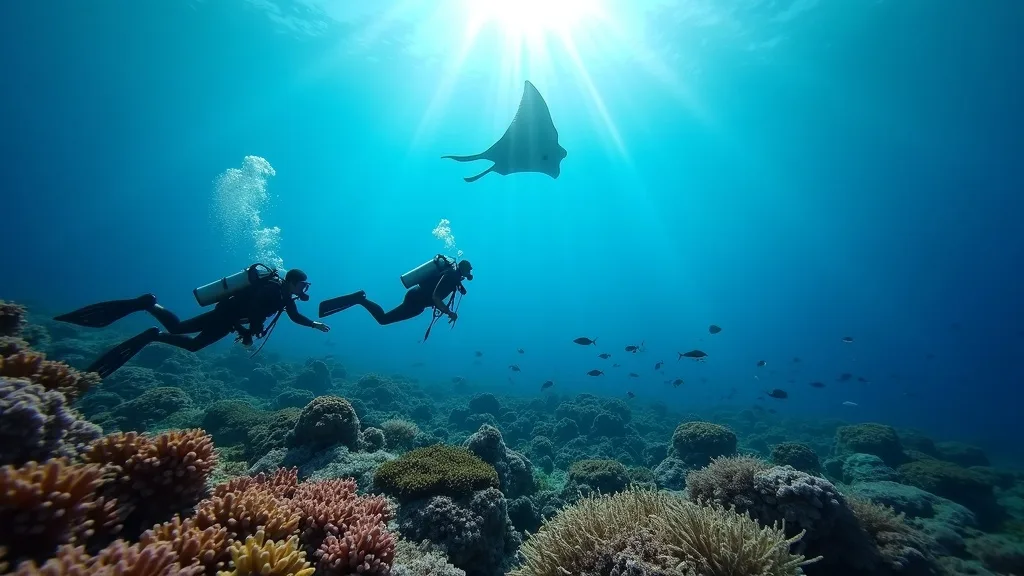
Beyond these, larger pelagic species such as manta rays, various shark species, whales, and other turtles are regular visitors, underscoring the health and productivity of the marine ecosystem. The stable sea temperatures, consistently between 28°C and 29°C throughout the year, provide ideal conditions for this rich array of life to flourish.
Climate and Environmental Stability
Wayag experiences a consistent tropical climate, which is a key factor in supporting its robust biodiversity. The average daily temperature hovers around 30°C, with nights cooling to approximately 24°C. These stable conditions, both in air and sea temperature, contribute to the predictability and resilience of the marine environment. The lack of extreme temperature fluctuations helps maintain the delicate balance required for coral growth and the survival of temperature-sensitive species. This environmental stability is a precious asset, making its preservation all the more critical in the face of global climate change.
The Future Outlook for Wayag
As of 2027, there remains no definitive timetable for the reopening of Wayag to tourism. This extended closure, while challenging for tourism operators, provides an invaluable opportunity for the environment to recover and for local communities to re-evaluate sustainable management strategies. The emphasis is now firmly on ensuring the long-term ecological health of Wayag. Future access, should it be granted, will undoubtedly be subject to stringent regulations aimed at minimising environmental impact and maximising community benefit.
The Wayag experience, even in its current state of inaccessibility, serves as a powerful reminder of Raja Ampat’s commitment to conservation. It highlights that some of the planet’s most extraordinary natural wonders require periods of respite from human interaction to maintain their ecological integrity. The focus for 2027 and beyond will be on monitoring the health of its ecosystems and fostering collaborative approaches between government, conservationists, and local communities to safeguard this irreplaceable natural heritage.
Key Biodiversity Statistics for Wayag (Pre-2025 Data)
| Category | Count/Description |
|---|---|
| Area (KKPN Waigeo Sebelah Barat) | 271.63 ha |
| Number of Islands (KKPN) | 195 |
| Coral Species | 533 |
| Local Reef Fish Species | 74 |
| Regional Reef Fish Species | >1,300 |
| Mantis Shrimp Species | 57 |
| Mollusc Species | 700 (incl. 7 giant clam species) |
| Marine Mammal Species | 13 (incl. dugong) |
| Rare Sea Turtle Species | 5 (incl. hawksbill) |
| Average Sea Temperature | 28°C–29°C |
| Average Daily Air Temperature | 30°C |
| Average Night Air Temperature | 24°C |
| Visitors (2020-2025) | ~20,000 |
Q: Why is Wayag still closed to tourists in 2027?
A: Wayag remains closed to all tourist activities in 2027 primarily due to a temporary suspension initiated in June 2025. This closure is enforced by local customary communities through ‘pemalangan’ (traditional prohibition), particularly in the Waigeo Barat District, to address concerns about the impact of tourism and to allow for environmental recovery within the Waigeo Sebelah Barat National Water Conservation Area.
Q: What is the significance of Wayag’s conservation status if tourists cannot visit?
A: Even without direct tourist access, Wayag’s conservation status is of immense significance. It highlights a commitment to preserving one of the world’s most biodiverse marine environments. The closure allows for the natural regeneration of its delicate ecosystems, including 533 types of coral and over 1,300 species of reef fish, ensuring the long-term health of this critical part of the Coral Triangle for scientific study, ecological balance, and future generations.