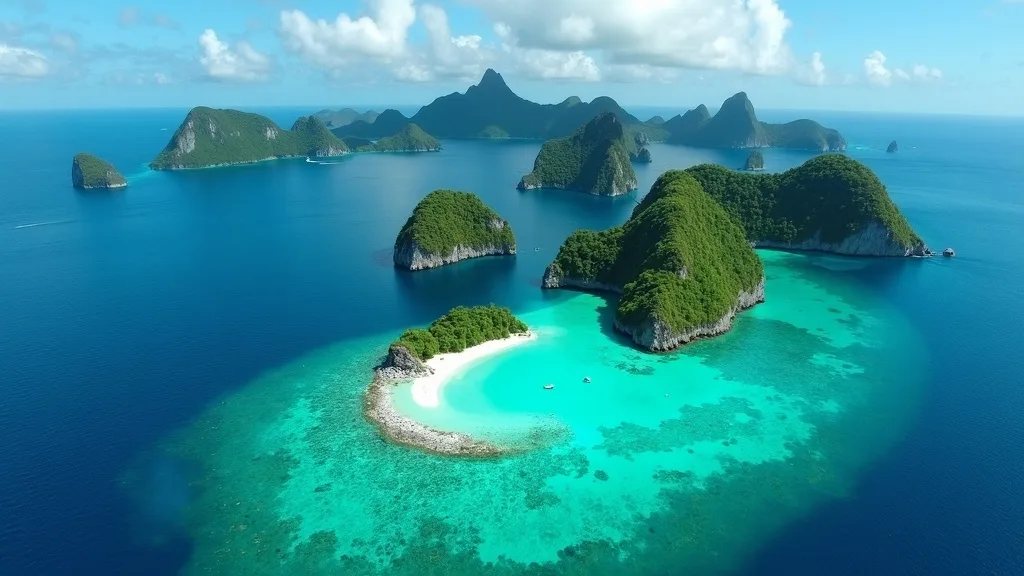
In 2027, Pulau Wayag remains a focal point for conservation efforts within Raja Ampat, Indonesia. Its temporary closure to tourism, initiated in June 2025 due to local community restrictions, persists. This pause allows for critical ecological recovery and reassessment of sustainable tourism strategies for this extraordinarily biodiverse marine protected area.
The iconic karst formations of Wayag, often seen in promotional materials for Raja Ampat, have been inaccessible to tourists since mid-2025. This closure, primarily affecting the West Waigeo District, arose from local community ‘pemalangan’ – a customary prohibition on access. As of June 2026, there was no definite timeline for its reopening, a situation expected to extend into 2027. This prolonged closure underscores a significant shift in the region’s tourism landscape, prioritising environmental protection and local community engagement over immediate visitor access.
Wayag’s Ecological Significance
Wayag is not merely a scenic vista; it is an integral component of the Waigeo West National Marine Conservation Area (KKPN). This protected zone spans 271.63 hectares and encompasses 195 landmasses, providing a sanctuary for a remarkable array of marine life. The waters surrounding Wayag maintain a stable temperature of 28°C–29°C throughout the year, with daily air temperatures averaging 30°C and dropping to 24°C at night, creating ideal conditions for its vibrant ecosystems.
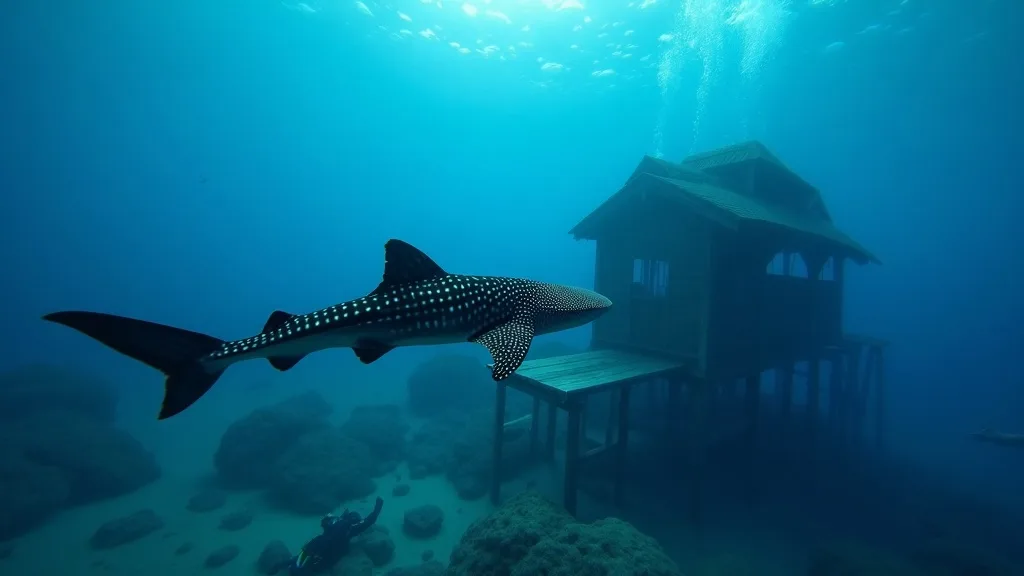
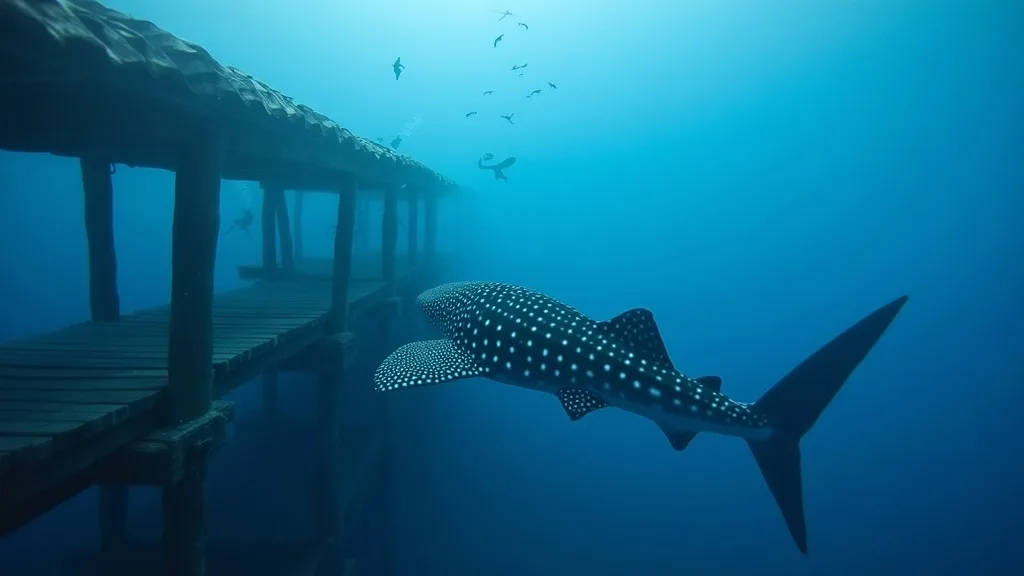
The biodiversity here is profound. Researchers have catalogued 533 types of coral within the Wayag area, contributing to the broader regional count of over 1,300 coral fish species. Beyond fish, the area is home to 57 types of mantis shrimp and 700 species of molluscs, including seven distinct giant clam species. Larger marine fauna are also prominent; 13 species of marine mammals, such as dugongs, frequent these waters. Five species of endangered turtles, including the hawksbill turtle, are regularly observed. Manta rays, sharks, whales, and various other turtle species also traverse Wayag’s rich marine environment, affirming its status as a critical marine conservation zone.
The Impact of Closure on Tourism
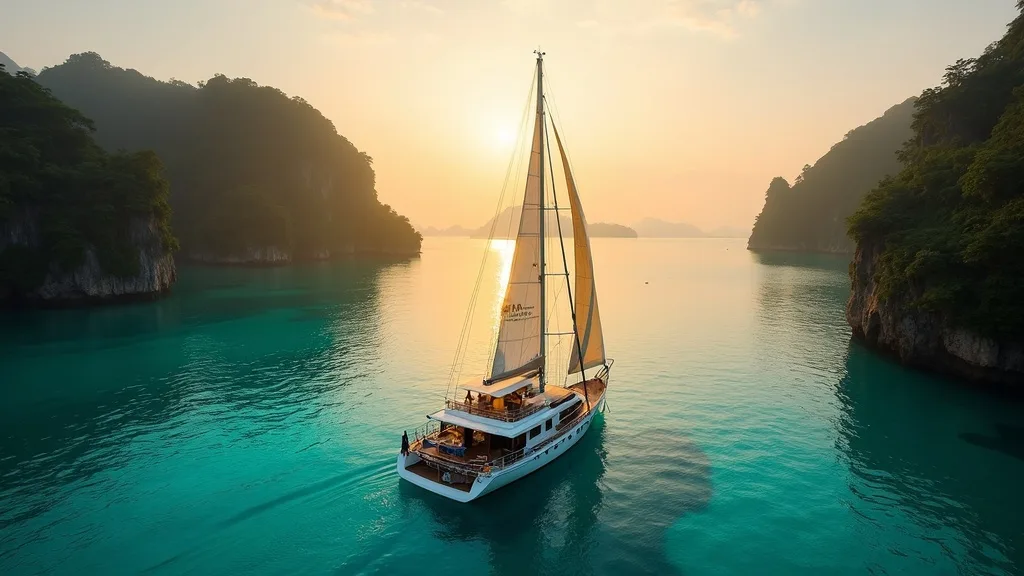
Before its closure, Wayag attracted approximately 20,000 tourists over five years (2020–2025). However, visiting Wayag was always a substantial undertaking. The journey from Waisai, spanning approximately 300 km (around 200 miles), made it an expensive and lengthy day trip. There are no homestays or permanent accommodation options on Wayag itself, meaning visitors had to undertake the considerable round trip, often incurring significant costs for boat charters and permits. This logistical challenge, combined with the recent closure, has naturally redirected tourist interest to other accessible parts of Raja Ampat, which continue to offer exceptional experiences. For those planning future visits to Raja Ampat, exploring options for luxury raja ampat experiences in open areas is advisable.
Community and Conservation in 2027
The ‘pemalangan’ by local communities highlights the crucial role indigenous populations play in the management and protection of their ancestral lands and waters. This form of customary law enforcement underscores the need for respectful engagement and sustainable practices that benefit both the environment and local livelihoods. The ongoing closure of Wayag is, therefore, a complex issue, reflecting a broader movement towards community-led conservation efforts within the archipelago. By 2027, the discussions surrounding Wayag’s future are expected to centre on establishing a framework that ensures long-term ecological integrity while potentially developing highly regulated, low-impact tourism models, should access eventually be restored.
Lessons for Sustainable Tourism
The situation at Wayag provides valuable lessons for sustainable tourism development across Indonesia and globally. It demonstrates that even the most iconic destinations require periodic pauses for recuperation and recalibration. The focus on Wayag in 2027 is less about immediate access and more about understanding the delicate balance between human interaction and environmental preservation. This includes examining carrying capacities, developing robust waste management strategies, and ensuring that any future tourism activity directly benefits and is sanctioned by the local communities who are the primary custodians of these natural assets.
- Marine Conservation Area (KKPN) Waigeo Sebelah Barat: 271.63 ha, 195 islands.
- Coral Diversity: 533 types in Wayag; over 1,300 coral fish species regionally.
- Invertebrate Life: 57 species of mantis shrimp, 700 species of molluscs, including 7 giant clam species.
- Marine Mammals: 13 species, including dugongs.
- Endangered Turtles: 5 species, including hawksbill turtles.
- Other Mega-fauna: Manta rays, sharks, whales, and various other turtles.
- Sea Temperature: Stable 28°C–29°C year-round.
- Air Temperature: Average 30°C day, 24°C night.
Looking Ahead: Wayag’s Role in Raja Ampat’s Future
As 2027 progresses, Wayag remains a powerful symbol of Raja Ampat’s commitment to conservation. Its continued closure, while disappointing for prospective visitors, reinforces the region’s dedication to protecting its extraordinary natural heritage. The period of rest allows its intricate ecosystems to thrive undisturbed, potentially leading to even greater biodiversity and resilience. The discussions and decisions made regarding Wayag’s future access will undoubtedly shape the trajectory of sustainable tourism in Raja Ampat for decades to come, setting a precedent for responsible interaction with one of the planet’s most vital marine environments. This ongoing narrative in 2027 is one of patience, preservation, and the profound respect for nature’s intrinsic value.
Q: Why is Wayag still closed to tourists in 2027?
A: Wayag remains closed in 2027 due to ‘pemalangan’, a local community-imposed prohibition initiated in June 2025. This closure allows for ecological recovery and reassessment of sustainable tourism practices, with no definite reopening schedule established as of June 2026.
Q: What makes Wayag so important for conservation?
A: Wayag is critical because it forms part of the Waigeo West National Marine Conservation Area, boasting 533 coral types, over 1,300 coral fish species regionally, 700 mollusc species (including 7 giant clams), 13 marine mammal species (like dugongs), and 5 endangered turtle species, making it a hotspot of marine biodiversity.