In 2027, Pulau Wayag remains a conservation stronghold within Raja Ampat, its tourist access having been temporarily suspended since June 2025. This closure, driven by local community decisions, underscores a commitment to preserving its extraordinary biodiversity, encompassing 533 coral species and a vast array of marine life, without the pressures of daily tourism.
As we navigate 2027, the conversation surrounding Wayag, part of the Waigeo Barat National Water Conservation Area, continues to revolve around its conservation status rather than tourist itineraries. The temporary closure, initiated in June 2025 and sustained through June 2026 and into the present, serves as a stark reminder of the delicate balance required to safeguard such a globally significant ecosystem. This decision, primarily influenced by local communities and governmental bodies, has effectively transformed Wayag from a highly sought-after destination into a sanctuary where nature is left undisturbed.
The Rationale Behind Wayag’s Closure
The suspension of tourist access to Wayag since June 2025 was not a whimsical decision but a considered measure. Reports from the ground indicate that local community actions, often termed ‘pemalangan’ or customary prohibitions, played a significant role. These actions reflect a profound local understanding of the environmental pressures and the desire to protect their ancestral lands and waters. Furthermore, the Indonesian government, through its management of the Waigeo Barat National Water Conservation Area (KKPN), has supported this period of respite. This strategic pause allows the fragile ecosystems, particularly the extensive coral reefs and their inhabitants, to recuperate from prior human activity and to thrive without constant external interference. It demonstrates a forward-thinking approach to sustainable tourism, even if it means foregoing immediate economic benefits.
A Sanctuary of Biodiversity in 2027
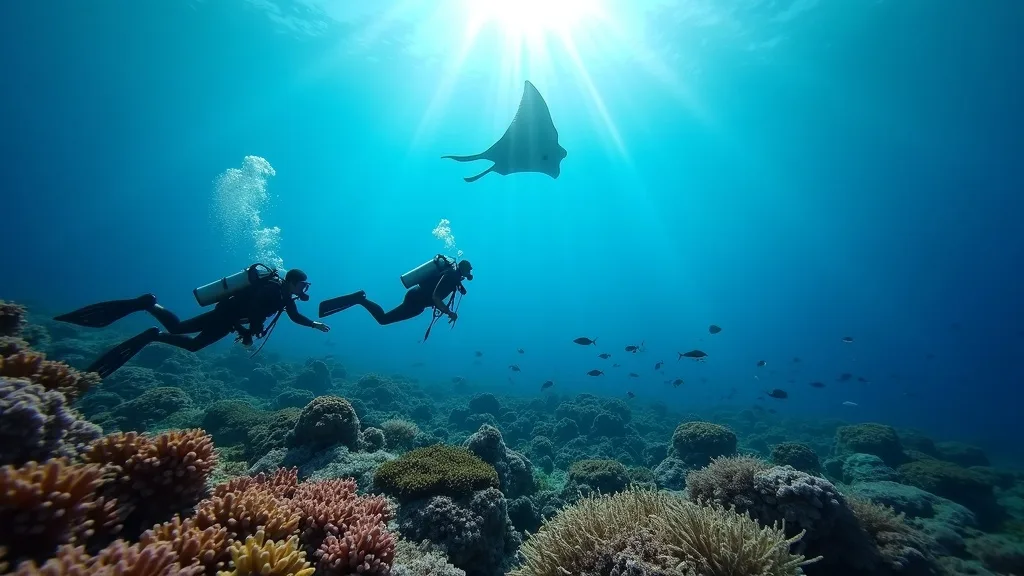
Despite its inaccessibility to tourists, Wayag’s ecological significance has only grown in 2027. The area, spanning 271.63 hectares and encompassing 195 landmass islands, is a critical component of Raja Ampat’s wider biodiversity. It is home to an astonishing 533 types of coral, forming the foundation of a complex marine food web. The waters teem with 74 species of coral fish, a figure that expands to over 1,300 species when considering the broader regional context of Raja Ampat. This marine richness extends to 57 types of mantis shrimp, 700 species of molluscs, including seven giant clam species, and 13 species of marine mammals, notably the dugong. Five rare turtle species, including the hawksbill turtle, find refuge here, alongside regular visits from manta rays, sharks, whales, and other pelagic species. The sustained closure has undeniably provided an invaluable period for these populations to flourish, reinforcing Wayag’s status as a vital marine conservation zone.
Logistical Challenges and the Cost of Pristine Beauty
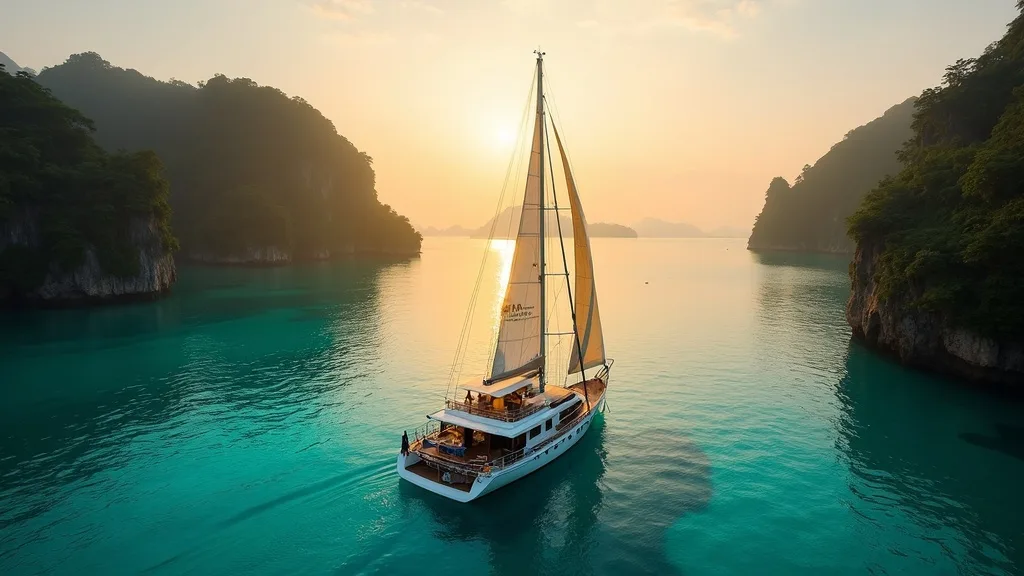
Even prior to its closure, Wayag presented considerable logistical challenges, contributing to its reputation as an expensive destination. The journey from Waisai, the capital of Raja Ampat, spans approximately 300 kilometres, roughly 200 miles, making it a long and costly endeavour. There are no homestays or permanent accommodations on Wayag itself; visits were strictly day trips, necessitating significant travel time and expense. This inherent difficulty, combined with the current conservation-driven closure, has ensured that Wayag remains a distant, almost mythical destination for those unable to visit. For those seeking luxury raja ampat experiences elsewhere in the archipelago, the exclusivity of Wayag serves as a poignant reminder of what is being preserved.
Climate Stability and Ecological Resilience
Wayag benefits from a remarkably stable tropical climate, contributing to its ecological resilience. The sea temperature consistently hovers between 28°C and 29°C throughout the year, providing ideal conditions for coral growth and marine life. Average daily air temperatures are around 30°C, cooling to 24°C at night. This consistent climate, free from extreme fluctuations, further aids the recovery and stability of the ecosystem during its period of conservation. The absence of human-induced stressors, combined with these favourable climatic conditions, creates a near-perfect environment for natural processes to take their course.
Future Prospects: What 2027 Holds
As of 2027, there remains no definitive schedule for the reopening of Wayag to tourism. The sustained closure reflects a prioritisation of long-term ecological health over short-term economic gains. The 20,000 tourists who visited between 2020 and 2025 now represent a historical footnote, preceding a new era for Wayag. The decision to reopen, when it eventually comes, will undoubtedly involve careful consideration of carrying capacities, sustainable management practices, and continued dialogue with local communities. This period of quietude offers a unique opportunity for scientific study and monitoring, allowing researchers to observe the effects of reduced human impact on a critical marine environment. The lessons learned during Wayag’s closure could well inform future conservation strategies across other vulnerable sites globally.
Key Biodiversity Facts of Wayag (Pre-Closure)
- 533 types of coral
- 74 species of coral fish (locally)
- Over 1,300 species of coral fish (regionally)
- 57 types of mantis shrimp
- 700 species of molluscs, including 7 giant clam species
- 13 species of marine mammals, including dugong
- 5 rare turtle species, including hawksbill turtle
| Metric | Value |
|---|---|
| Sea Temperature | 28°C–29°C (stable year-round) |
| Daily Air Temperature | 30°C |
| Night Air Temperature | 24°C |
| Conservation Area Size | 271.63 ha |
| Number of Islands | 195 |
Q&A: Current Status of Wayag Tourism in 2027
Q: Is Wayag open for tourists in 2027?
A: No, access to Wayag for all tourist activities remains temporarily closed in 2027. The closure, in effect since June 2025, continues with no definite schedule for reopening.
Q: Why is Wayag still closed to tourists?
A: The closure is primarily due to ‘pemalangan’ (customary prohibitions) by local communities and a broader governmental commitment to conservation. This measure aims to allow the sensitive marine ecosystem to recover and thrive without the pressures of tourism.