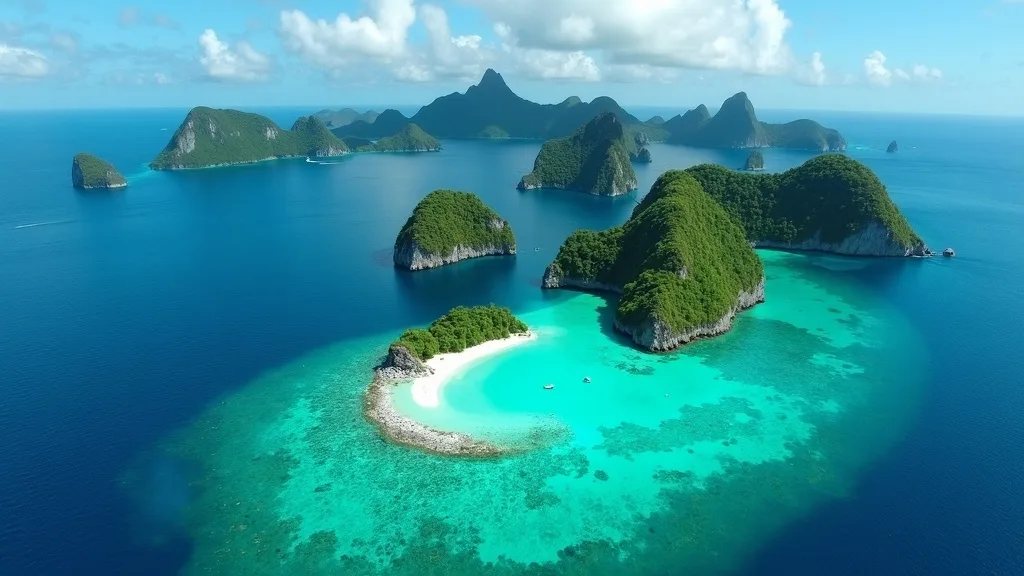
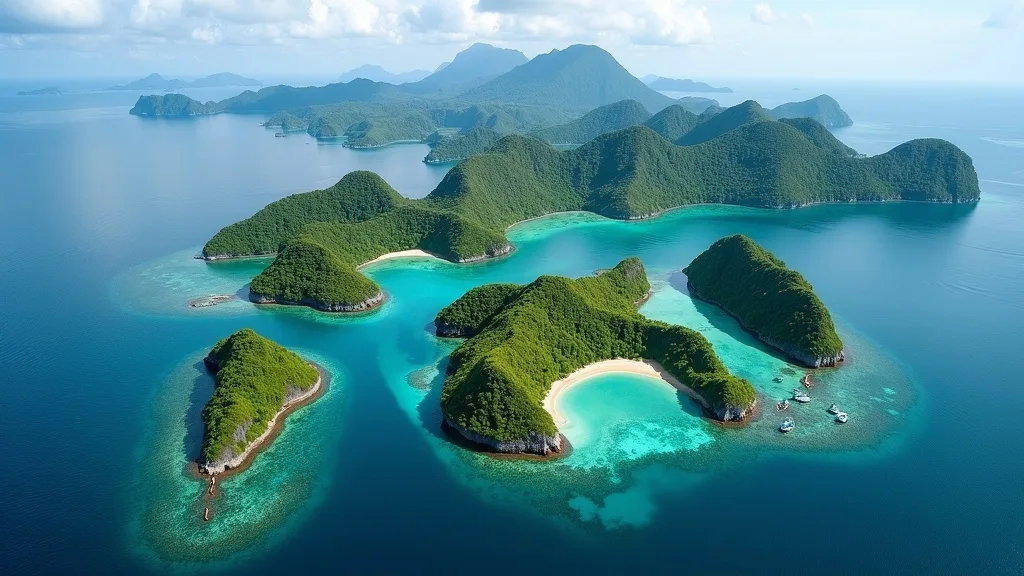
In 2027, Pulau Wayag, within Raja Ampat, remains inaccessible to tourism, a status enforced since June 2025 due to indigenous community closures. This temporary cessation of access, particularly in West Waigeo District, underscores its protected status as a National Water Conservation Area, ensuring the preservation of its 271.63 hectares and 195 islands.
As 2027 progresses, the discussion surrounding Raja Ampat invariably turns to Pulau Wayag, a location that, despite its continued closure to tourism, retains a powerful mystique. Since June 2025, access to Wayag has been suspended, a decision largely driven by local communities and regional authorities, primarily due to what is locally termed ‘pemalangan’ – a customary prohibition or blockade. This closure, specifically affecting areas in the West Waigeo District, signifies a deliberate pivot towards enhanced conservation and community-led management. For those familiar with Raja Ampat, Wayag has always been more than just a scenic vista; it is a profound symbol of the region’s ecological significance and the ongoing efforts to safeguard its fragile ecosystems. The absence of tourist traffic for over two years now allows for a unique scientific and environmental observation, providing invaluable data on natural regeneration and the effects of reduced anthropogenic pressure.
The Unseen Wayag: A 2027 Ecological Snapshot
While the iconic limestone karsts of Wayag remain off-limits to visitors, its role as a critical National Water Conservation Area (KKPN) continues unabated. Encompassing 271.63 hectares and featuring 195 distinct landmasses, Wayag is a cornerstone of marine biodiversity. The sustained closure has arguably amplified its ecological value, allowing its intricate ecosystems to thrive undisturbed. Scientific expeditions, though restricted and highly regulated, continue to monitor the health of its coral reefs and the abundance of its marine life.
Data from pre-closure periods, combined with ongoing scientific observations, paint a vivid picture of Wayag’s biological wealth. The waters around Wayag are known to harbour an astonishing 533 types of coral, forming complex reef structures that support a diverse array of marine species. Furthermore, 74 distinct species of reef fish have been identified within Wayag itself, contributing to the regional count of over 1,300 species of coral fish found across Raja Ampat. This concentration of biodiversity is not merely impressive; it is fundamental to the health of the wider Indo-Pacific marine environment.
A Sanctuary for Rare and Endangered Species
Wayag’s protective status extends its benefits to numerous rare and endangered species. The area is a vital habitat for 57 types of mantis shrimp and an impressive 700 species of molluscs, including seven species of giant clams, which are crucial indicators of reef health. Marine mammals, too, find refuge here; 13 species, including the elusive dugong, frequent Wayag’s waters. The region is also a critical migratory path and feeding ground for five species of rare sea turtles, notably the hawksbill turtle, whose populations are under severe global threat. Regular sightings of manta rays, sharks, whales, and other large pelagic species underscore Wayag’s importance as a significant marine thoroughfare.
The consistent water temperature, averaging 28°C–29°C throughout the year, provides stable conditions for these delicate ecosystems. This thermal stability, coupled with the absence of human disturbance, creates an optimal environment for marine life to flourish, contributing to the broader ecological resilience of Raja Ampat. The average daily air temperature of 30°C, cooling to 24°C at night, further characterises the tropical climate that supports both terrestrial and marine biodiversity.
The Economic and Ethical Dimensions of Closure
Before its closure, Wayag attracted approximately 20,000 tourists over a five-year period. The financial implications of its inaccessibility are significant, given its previous status as a highly sought-after, albeit expensive, destination. The journey to Wayag, approximately 300 km (200 miles) from Waisai, necessitated considerable logistical planning and expense. The absence of homestay accommodation on Wayag itself meant that visits were exclusively long day trips, further contributing to the high cost and limited capacity for visitation.
The current closure, therefore, represents a substantial shift, prioritising long-term ecological health over immediate tourism revenue. This decision reflects a growing global awareness of the need for sustainable tourism practices and the protection of pristine natural environments. While the allure of Wayag remains undiminished, its inaccessibility serves as a powerful reminder of the delicate balance between human appreciation and ecological preservation. For those seeking a truly immersive experience in Raja Ampat’s marine environments, exploring the diverse offerings outside of Wayag’s immediate conservation zone through luxury raja ampat expeditions provides a responsible and rewarding alternative.
Future Prospects: Wayag in 2027 and Beyond
As 2027 unfolds, there is no definitive timeline for Wayag’s reopening to tourism. This uncertainty underscores the commitment of local communities and government bodies to a thorough and considered approach to its future. The extended period of closure offers an unprecedented opportunity for scientific study, allowing researchers to gather critical data on ecosystem recovery and the long-term impacts of reduced human interaction.
The ongoing dialogue among stakeholders—including indigenous communities, conservationists, and governmental agencies—is vital. Any future decision regarding Wayag’s accessibility will undoubtedly be informed by comprehensive ecological assessments and a robust framework for sustainable management. The goal is not merely to preserve Wayag as it was, but to ensure its enduring health and biodiversity for generations to come. The lessons learned from Wayag’s current status may well inform conservation strategies across other vulnerable marine environments globally.
Key Biodiversity Metrics of Wayag (Pre-Closure & Current Estimates)
| Category | Metric | Details |
|---|---|---|
| Coral Species | 533 types | High diversity forming complex reef systems. |
| Reef Fish Species (Wayag) | 74 species | Specific to Wayag’s immediate waters. |
| Reef Fish Species (Regional) | >1,300 species | Total across Raja Ampat. |
| Mantis Shrimp | 57 types | Significant crustacean biodiversity. |
| Mollusc Species | 700 species | Including 7 species of giant clams. |
| Marine Mammals | 13 species | Includes dugongs, whales. |
| Rare Sea Turtles | 5 species | Including hawksbill turtles. |
- The continuous monitoring during the closure period provides valuable insights into natural ecological processes without direct human interference.
- The Wayag conservation zone acts as a genetic reservoir, supporting biodiversity in surrounding areas of Raja Ampat.
- Community involvement in the closure decision highlights the importance of traditional ecological knowledge and local stewardship.
Q&A: What is the current status of tourism to Wayag in 2027?
As of 2027, Pulau Wayag remains closed to all tourist activities. This closure, initiated in June 2025 due to ‘pemalangan’ by indigenous communities, is indefinite. There is no confirmed date for its reopening, as the focus remains on conservation and community-led management.
Q&A: Why is Wayag considered so important ecologically despite its closure?
Wayag is a critical National Water Conservation Area, boasting exceptional biodiversity with hundreds of coral and fish species, rare molluscs, and serves as a crucial habitat for endangered marine mammals and sea turtles. Its closure allows for undisturbed ecological recovery and provides a unique opportunity for scientific study, reinforcing its role as a vital genetic reservoir for the wider Raja Ampat region.