As of 2027, Wayag Island, a crucial component of Raja Ampat, remains under a temporary closure for all tourism activities, a measure initiated in June 2025 due to local community ‘pemalangan’ or restrictions. This conservation-driven decision, with no immediate reopening date, underscores its status as a critical National Water Conservation Area, protecting its extraordinary biodiversity and ensuring its ecological future.
Wayag, an iconic archipelago within Indonesia’s Raja Ampat region, holds a revered position not merely for its distinctive karst formations, but for its profound ecological significance. By 2027, the island group continues its temporary closure to tourism, a strategic decision reflecting a commitment to long-term conservation over immediate visitor access. This measure, implemented since mid-2025, has transformed Wayag into a sanctuary, allowing its delicate ecosystems to recuperate and thrive undisturbed.
The Genesis of Closure: A Conservation Imperative
The temporary cessation of tourism activities at Wayag, specifically in the Waigeo Barat District, originated in June 2025. This was primarily due to ‘pemalangan’—local community restrictions aimed at asserting traditional land and sea rights, and, crucially, addressing the environmental pressures of tourism. By June 2026, the closure remained firmly in place, with no definitive timeline for reopening. This sustained hiatus, extending into 2027, provides an unprecedented opportunity for Wayag’s marine and terrestrial environments to recover from the cumulative impact of an estimated 20,000 visitors over the preceding five years.
The decision, while challenging for tourism operators and enthusiasts, aligns with Wayag’s designation as a National Water Conservation Area (KKPN) within Waigeo Sebelah Barat. This protected status covers an expansive 271.63 hectares and encompasses 195 distinct landmasses, underscoring the area’s importance as a biodiversity hotspot. The enforced tranquility allows for natural processes to unfold, supporting the resilience of its unique flora and fauna without human interference.
Biodiversity Flourishing Under Protection
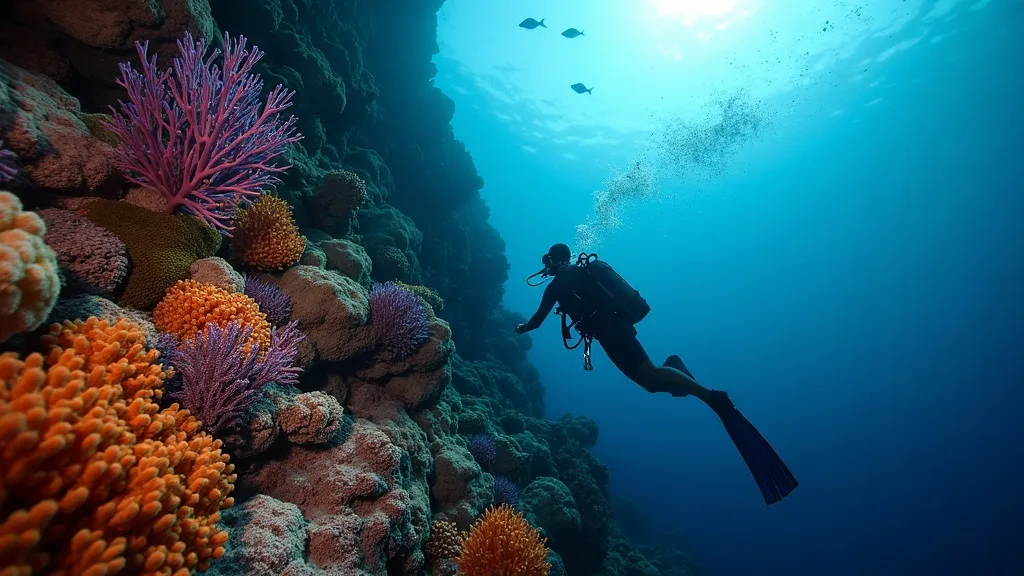
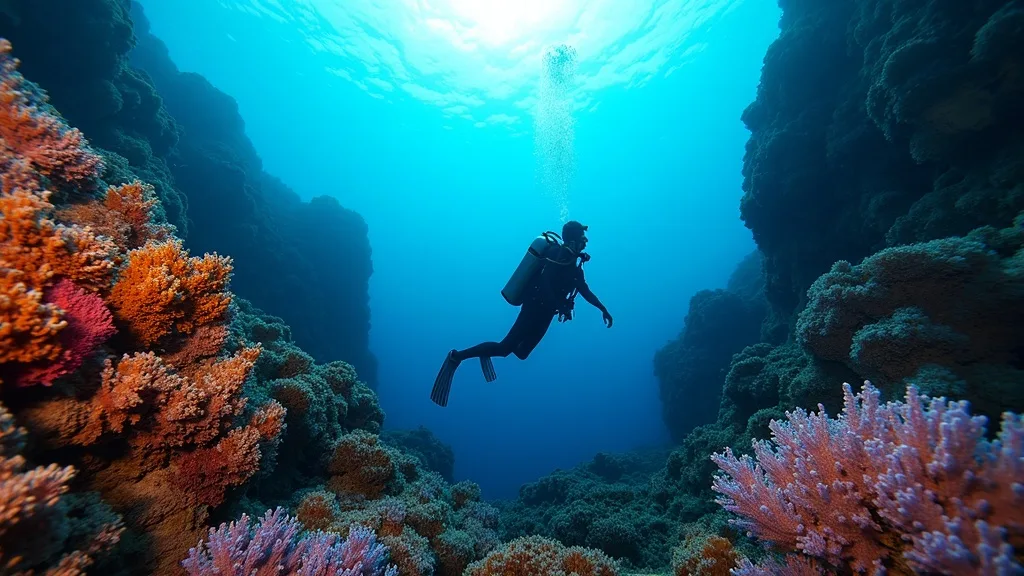
Wayag’s ecological value is immense, a fact further accentuated by its current protected status. The region boasts an astounding array of life, thriving in waters that maintain a stable 28°C–29°C year-round. The conservation efforts directly benefit:
- Corals: A staggering 533 types of coral contribute to the vibrant reef systems.
- Fish Species: Over 74 species of reef fish are recorded locally, part of a broader regional count exceeding 1,300 species.
- Crustaceans: 57 identified types of mantis shrimp demonstrate the complexity of its benthic environments.
- Molluscs: 700 species of molluscs, including seven types of giant clams, inhabit the seabed.
- Marine Mammals: 13 species of marine mammals, notably the dugong, frequent these nutrient-rich waters.
- Sea Turtles: Five species of rare sea turtles, including the critically endangered hawksbill turtle, find refuge here.
Furthermore, Wayag’s waters are known migratory routes for larger pelagic species such as manta rays, sharks, and whales, alongside various other sea turtle species. The current closure provides a vital reprieve for these populations, allowing them to breed, feed, and rest without disturbance from boats or human activity. This period of respite is invaluable for the long-term health and stability of these critical marine populations, ensuring that Wayag remains a vibrant ecosystem for future generations.
The Economic Reality and Future Outlook
Before its closure, Wayag was notoriously expensive to visit. The journey from Waisai, covering approximately 300 km (200 miles), was a lengthy and costly day trip. The absence of homestays on Wayag itself meant visitors were unable to stay overnight, further limiting access to those prepared for significant logistical and financial outlay. While the closure has curtailed this high-end, day-trip tourism, it has simultaneously created an opportunity for re-evaluation of sustainable tourism models should the island eventually reopen.
The 2027 outlook for Wayag underscores a commitment to ecological preservation. The lack of a firm reopening date suggests that authorities and local communities are prioritising the health of the ecosystem. This period allows for comprehensive scientific assessment, community engagement, and the potential development of more sustainable management plans. For those seeking to experience the broader wonders of the region, luxury raja ampat options remain available, offering a different perspective on this extraordinary Indonesian archipelago.
Implications for Raja Ampat’s Wider Conservation Efforts
Wayag’s prolonged closure sets a precedent for conservation within Raja Ampat. It demonstrates a willingness to implement decisive measures when environmental integrity is at stake. This proactive approach reinforces Raja Ampat’s reputation as a leader in marine conservation, particularly within the Coral Triangle. The data gathered during this period of reduced human impact will be invaluable for informing future management strategies across the entire region, potentially influencing policies for other popular, yet ecologically sensitive, destinations.
The current state of Wayag serves as a powerful reminder that true conservation often necessitates difficult decisions. While the allure of its distinctive landscape is undeniable, its ecological function as a sanctuary for myriad species is paramount. The ongoing closure, therefore, is not a setback but a strategic investment in the long-term viability and health of one of the planet’s most biodiverse marine environments.
Wayag’s Climate and Environmental Stability
Wayag experiences a consistently tropical climate, contributing to its rich biodiversity. Average daily temperatures hover around 30°C, cooling to approximately 24°C at night. The stable ocean temperatures, remaining between 28°C and 29°C, are ideal for coral growth and the vast array of marine life that depend on these fragile ecosystems. This environmental consistency, combined with the current absence of human disturbance, provides optimal conditions for the natural regeneration and flourishing of its ecosystems. The current closure ensures that these stable conditions are fully leveraged for ecological recovery.
| Category | Detail |
|---|---|
| Tourist Access (2027) | Closed indefinitely since June 2025 |
| Conservation Status | National Water Conservation Area (KKPN) |
| Area Covered | 271.63 ha with 195 landmasses |
| Coral Species | 533 types |
| Local Reef Fish | 74 species |
| Regional Fish Species | >1,300 species |
| Mantis Shrimp | 57 types |
| Mollusc Species | 700 species (including 7 giant clam types) |
| Marine Mammals | 13 species (incl. dugong) |
| Rare Sea Turtles | 5 species (incl. hawksbill) |
| Sea Temperature | 28°C–29°C (stable year-round) |
| Average Daily Temp | 30°C (day), 24°C (night) |
Why is Wayag Island still closed to tourists in 2027?
Wayag Island remains closed to tourists in 2027 due to ‘pemalangan’, or local community restrictions, which began in June 2025. This measure, supported by authorities, is primarily for conservation purposes, allowing the delicate ecosystems to recover from previous tourist impacts and to ensure the long-term health of this critical National Water Conservation Area. There is no confirmed date for its reopening.
What unique biodiversity is being protected by Wayag’s ongoing closure?
The ongoing closure of Wayag protects an extraordinary array of biodiversity. This includes 533 types of coral, over 1,300 species of reef fish regionally, 57 types of mantis shrimp, and 700 species of molluscs, including seven types of giant clams. Additionally, 13 species of marine mammals like dugongs, and five species of rare sea turtles, such as the hawksbill, benefit significantly from the reduced human disturbance, allowing their populations to thrive in a pristine environment.