A Guide to Wayag Raja Ampat: Its Premier Snorkeling Spots & Reefs
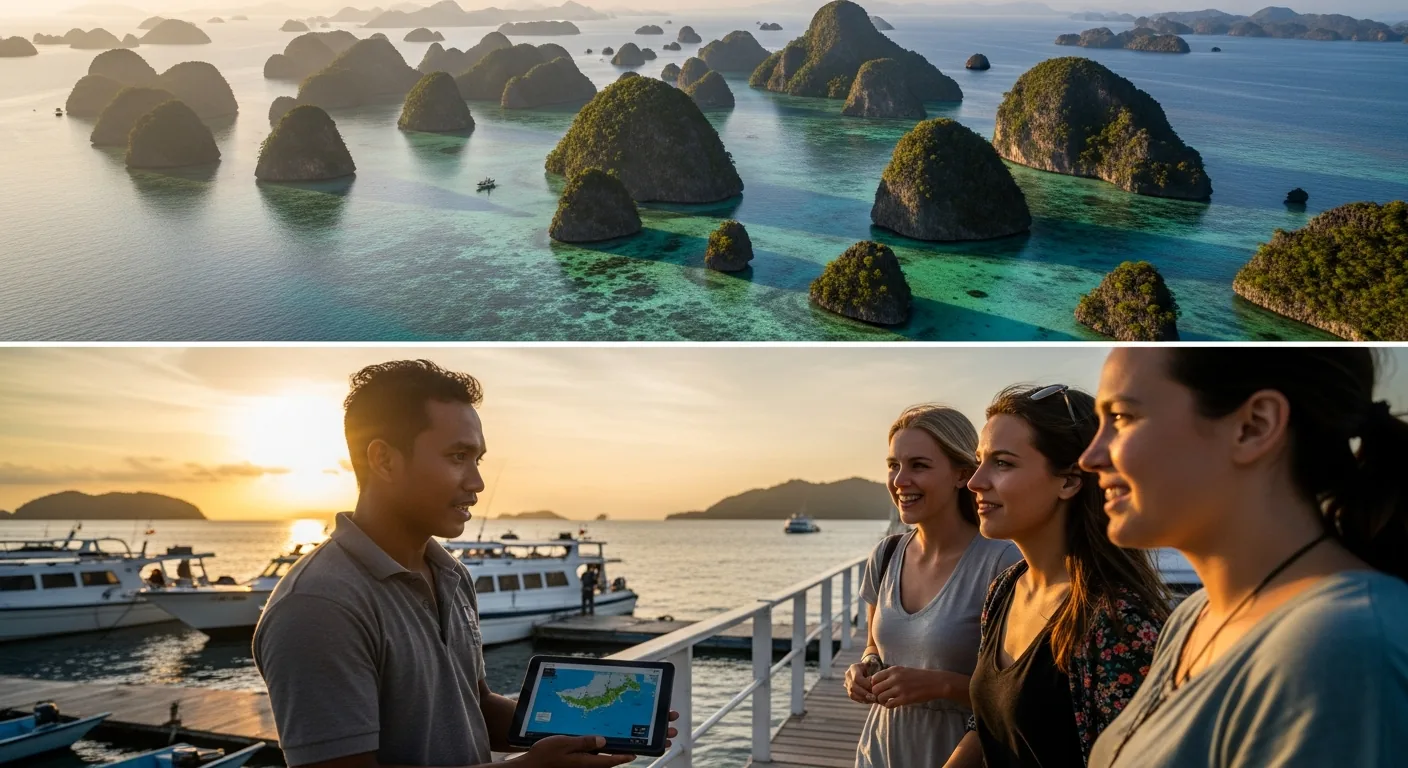
The hum of the twin engines becomes a constant, a low thrum against the percussive slap of the hull on a placid sea. For nearly three hours out of Waisai, the horizon is a clean, sharp line dividing deep blue from pale sky. Then, a change. What begins as a faint smudge solidifies into a congregation of improbable shapes—the limestone karsts of Wayag. They rise vertically from the water, draped in tenacious greenery, their forms sculpted by millennia of wind and water. This is the entry point to a marine environment of profound significance, a collection of lagoons and reefs that represent the biological heart of the Coral Triangle. A visit to Wayag Raja Ampat is less a holiday and more an immersion into one of the planet’s last true aquatic sanctuaries. See also: Contact.
For the discerning traveler, photographer, and marine enthusiast, Wayag presents a dual landscape. Above the water, the iconic ascent to the Mount Pindito viewpoint offers a perspective of exceptional clarity. Below, a network of protected snorkeling sites reveals the intricate architecture of a healthy coral ecosystem. This guide provides a detailed survey of these underwater locations, focusing on reef composition, resident marine life, and the optimal conditions for exploration with our private Wayag speedboat charters. See also: Wayag Viewpoint Hike guide.
The Aquatic Topography of Wayag’s Lagoons
The Wayag archipelago, a protected zone within the larger Raja Ampat Marine Park, is not a single destination but a complex of sheltered bays, hidden lagoons, and outer reefs. The water clarity here, often exceeding 25 meters during the dry season, allows for extensive observation directly from the surface. Each snorkeling location possesses a distinct character, dictated by its exposure to currents and its geological formation. See also: learn about Wayag Permit Fee 2026.
Ranger Station Bay
The primary entry point to the archipelago is the bay adjacent to the conservation ranger post. This sheltered inlet provides an ideal introduction to the region’s marine biology. With depths ranging from just two to eight meters, the seafloor is a mosaic of hard coral gardens and sandy patches. Fields of staghorn coral (*Acropora cervicornis*) provide refuge for schools of damselfish and chromis. Look for the distinctive anemones clinging to coral bommies, often occupied by the False Clownfish, *Amphiprion ocellaris*. The calmer conditions make this an excellent site for acclimatization and equipment checks before proceeding to more dynamic locations. It’s a dependable location for observing the foundational species of a Wayag Raja Ampat reef system. See also: Home pricing.
The Hidden Lagoon
Accessible via a narrow, submerged channel navigable only at certain tides, this interior lagoon feels like a private aquarium. The sense of arrival, passing from the open sea into this enclosed amphitheater of karst and water, is a significant part of the experience. Inside, the waters are exceptionally calm, and the reefs grow right up to the surface. Large table corals (*Acropora latistella*) spread in wide, flat formations, providing shade for juvenile reef fish. Giant clams (*Tridacna gigas*), some measuring over a meter in length, are embedded in the reef structure. Snorkeling here is a deliberate, slow-paced activity, focused on the intricate details of the coral and its smaller inhabitants.
Shark Point
Located on the outer edge of the main atoll, this site is exposed to gentle currents that attract more substantial marine life. As the name suggests, it is a frequent haunt for Blacktip reef sharks (*Carcharhinus melanopterus*). These sharks, typically measuring between 1.2 and 1.6 meters, are timid and pose no threat, patrolling the reef edge in a display of fluid grace. The topography here is a sloping wall that descends into deeper water, attracting schools of fusiliers and the occasional Giant Trevally (*Caranx ignobilis*). The coral composition is robust, dominated by massive porites and brain corals able to withstand the mild current.
Marine Biodiversity: A Census of Life Below the Surface
Raja Ampat’s reputation as an epicenter of marine biodiversity is well-documented. Scientific surveys, including those by Conservation International, have recorded over 1,700 species of reef fish and more than 600 species of hard coral—approximately 75% of the world’s known species. A Wayag tour offers a direct window into this abundance. While snorkeling, you are not just observing fish; you are witnessing a complex, functioning ecosystem.
- Reef Fish: Expect a constant procession of color from species like the Regal Angelfish (*Pygoplites diacanthus*), various butterflyfish, and large schools of Bumphead Parrotfish (*Bolbometopon muricatum*), which can often be heard crunching on hard coral from the surface.
- Pelagic Species: Beyond the resident Blacktip reef sharks, keep an eye on the blue water for Spanish Mackerel and Dogtooth Tuna. Manta rays (*Manta alfredi*) are also known to pass through the channels of Wayag, particularly between November and March.
- Macro Subjects: For those with a keen eye, the reefs host a variety of smaller creatures. Nudibranchs in vibrant colors are common, as are various species of shrimp and crab. While less common for snorkelers, the presence of pygmy seahorses on Muricella gorgonian fans in slightly deeper water speaks to the health of the overall environment.
What permits are required to visit Wayag Raja Ampat?
All visitors to the Raja Ampat archipelago must possess a Marine Park Entry Permit, known locally as a PIN. The current cost is IDR 1,000,000 (approximately USD 65-70, subject to exchange rates) for international visitors and is valid for 12 months. Wayag Raja Ampat Tours can arrange the acquisition of this permit on your behalf prior to your charter, ensuring seamless entry.
Private Speedboat Charters: Itinerary & Inclusions
The distance and logistics of reaching Wayag from Waisai, the main port town on Waigeo island, necessitate a well-planned day trip. The journey itself covers approximately 140 kilometers each way and takes between 2.5 and 3 hours depending on sea conditions. Our private speedboat charters are designed for efficiency and comfort, ensuring your time is maximized at the destination.
Sample Day Trip Itinerary
| Time | Activity | Details |
|---|---|---|
| 06:00 | Departure from Waisai | Board your private speedboat, equipped with twin 200hp engines, for the journey north. |
| 08:45 | Arrival at Wayag Ranger Post | Permit check and a short briefing from your guide. |
| 09:15 | Ascend Mount Pindito | A 30-45 minute guided climb to the iconic Wayag viewpoint. |
| 11:00 | Snorkeling Session 1 | Explore the rich coral gardens of the Ranger Station Bay. |
| 12:30 | Lunch Onboard | A freshly prepared lunch is served on the boat amidst the karst islands. |
| 13:45 | Snorkeling Session 2 | Discover the Hidden Lagoon or patrol the reef edge at Shark Point. |
| 15:30 | Depart Wayag | Begin the return journey to Waisai. |
| 18:00 | Arrival in Waisai | Transfer back to your accommodation. |
Can we customize our Wayag tour itinerary?
Absolutely. The primary advantage of a private charter is flexibility. While the sample itinerary represents a popular and efficient schedule, we can adjust timings and locations based on your interests. If you are a dedicated photographer wanting specific light conditions at the Mount Pindito viewpoint, or an avid snorkeler wishing to spend more time at a particular reef, we will tailor the day to your specific requirements. Please communicate your preferences during the booking consultation.
Charter Inclusions & Pricing
Our service is comprehensive, covering all logistical aspects of your expedition to Wayag Raja Ampat.
- Private speedboat charter from Waisai (maximum 8 guests for comfort).
- An experienced local captain and an English-speaking Papuan guide.
- High-quality snorkeling equipment (masks, snorkels, fins).
- A full lunch, supplemented with snacks, fresh fruit, bottled water, and soft drinks.
- All port clearance fees and contributions to the local community.
| Charter Service | Capacity | Duration | Price (from) |
|---|---|---|---|
| Wayag Raja Ampat Day Trip | Up to 8 guests | Approx. 12 hours | USD 1,650 |
| Multi-Day Custom Charter | Up to 8 guests | Per Day (2-day min) | Inquire for quote |
The Optimal Season for Wayag Exploration
While Raja Ampat is a year-round destination with a consistent water temperature of 28-30°C, conditions for a Wayag speedboat trip vary. The primary consideration is sea state. The long open-water crossing is most comfortable during the drier, calmer season, which typically runs from October to April. During these months, skies are clearer, and the seas are generally calmer, making for a faster and more pleasant journey. Water visibility is also at its peak, often exceeding 30 meters.
The monsoon season, from roughly May to September, brings stronger winds and higher rainfall. While trips are still possible, they are more susceptible to weather-related delays or cancellations. We monitor marine forecasts diligently and will always prioritize safety. If you plan to travel during these months, we recommend adding buffer days to your Raja Ampat itinerary.
Is it possible to visit Wayag during the monsoon season?
Yes, it is possible, but requires flexibility. We operate year-round, but during the monsoon months (May-September), trips are highly dependent on the daily weather forecast. The journey can be rougher, and there’s a higher chance of rain. However, you will encounter fewer other visitors. We advise booking with the understanding that the trip may need to be rescheduled by a day or two to wait for a suitable weather window.
Beyond the Reef: The Mount Pindito Viewpoint
No exploration of Wayag is complete without the ascent of Mount Pindito. This is the vantage point from which the celebrated photographs of the archipelago are taken. The climb is not a technical one, but it is steep and demanding. A path of sharp limestone and dirt tracks leads up the karst, with ropes and wooden ladders assisting in the most vertical sections. The ascent takes between 30 and 45 minutes for a person of average fitness.
From the summit, at an elevation of approximately 150 meters, the archipelago resolves into a constellation of emerald-topped islets set in a matrix of sapphire and turquoise. The 360-degree perspective allows you to trace the outlines of the hidden lagoons and the faint, darker lines of the outer reefs. It is a geographical overview that contextualizes the snorkeling you will do later in the day. The effort of the climb is rewarded with a profound sense of place and scale.
What should I wear for the Mount Pindito climb?
Sturdy footwear is essential. Closed-toe hiking sandals or lightweight trail shoes are highly recommended. Do not attempt the climb in flip-flops. Wear light, breathable clothing. While it is a hot climb, long shorts or light trousers can offer protection from scrapes on the limestone. A small backpack for your camera and a water bottle is also advisable, though your guide will carry extra water.
Your Partner in Raja Ampat: Expertise and Responsibility
Navigating the waters of Raja Ampat, a region of over 1,500 islands, requires deep local knowledge. The team at Wayag Raja Ampat Tours is composed of guides and captains born in these islands. Our lead guides possess an average of 10 years of experience navigating these specific channels, understanding the tides, currents, and seasonal patterns that dictate a safe and successful expedition. Our commitment extends to the preservation of this delicate environment. We operate under strict eco-tourism principles, ensuring our presence has minimal impact. This includes diligent waste management, anchoring only in designated sandy areas, and providing comprehensive briefings to our guests on responsible snorkeling etiquette.
What safety equipment is on the speedboat?
Safety is our primary operational concern. Each Wayag speedboat is equipped with a full complement of safety gear, including life jackets for all passengers and crew, a first aid kit, GPS navigation systems, a marine radio, and a satellite phone for communication in areas without cellular reception. Our crew is trained in basic first aid and emergency procedures.
Securing Your Wayag Speedboat Charter
Booking your private charter to Wayag is a straightforward process, handled by our Bali-based client services team. We recommend booking at least 3-6 months in advance, especially for travel during the peak season from December to February.
- Initial Inquiry: Contact our team via email or phone with your desired travel dates, group size, and any specific interests (e.g., photography, specific marine life).
- Itinerary Consultation: Our Raja Ampat specialist will respond within 24 hours to discuss your preferences, confirm availability, and provide a detailed proposal and quote.
- Confirmation and Deposit: To secure your charter, we require a 50% deposit, which can be paid via bank transfer or credit card.
- Final Arrangements: The remaining balance is due 30 days prior to your charter date. One week before your trip, we will send a comprehensive pre-trip document, including what to bring, a confirmation of your pickup time, and contact details for your guide.
Contact Wayag Raja Ampat Tours
For inquiries and to begin planning your private charter, please contact us:
Brand: Wayag Raja Ampat Tours
Phone: +62 811-3941-4563
Email: bd@juaraholding.com
Office: Jalan Sunset Road No. 88, Kuta, Badung, Bali 80361, Indonesia