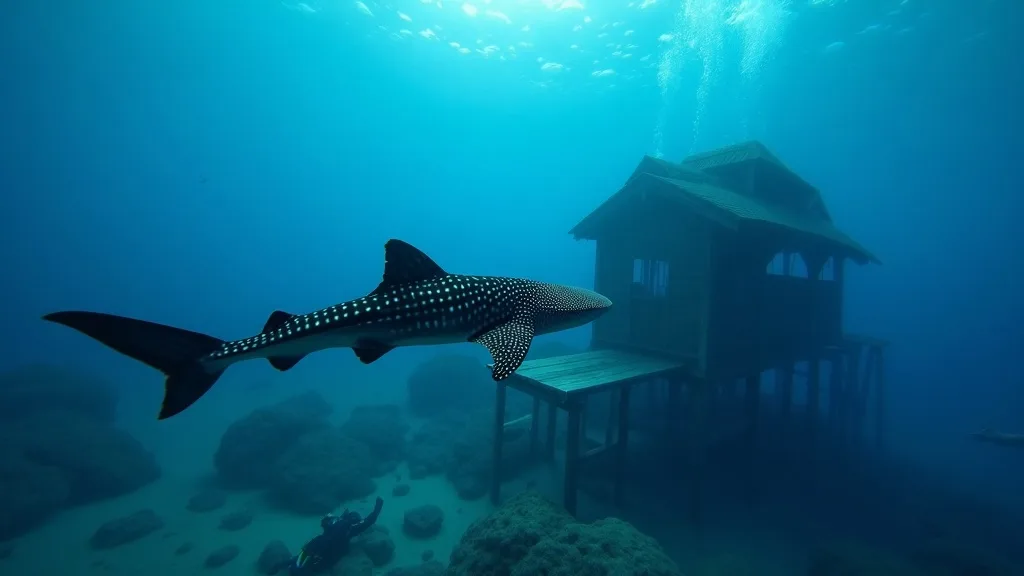
Wayag Raja Ampat closures for 2027 are likely to be managed through a dynamic permitting system, prioritising ecological preservation and visitor experience. Sustainable tourism efforts will focus on controlled access, waste management, and community engagement. Travellers should anticipate booking well in advance and adhering strictly to local conservation guidelines to ensure a responsible visit.
Understanding Wayag Raja Ampat Closure Policies for 2027
The pristine archipelago of Raja Ampat, particularly the iconic Wayag, is globally recognised for its biodiversity. As we look towards 2027, the management of visitor access, including potential Wayag Raja Ampat closure periods, remains a critical aspect of preserving this delicate ecosystem. Indonesian conservation authorities, in collaboration with local communities, are continually refining policies to balance tourism revenue with environmental protection.
For 2027, it is anticipated that any Wayag Raja Ampat closure will not be a blanket ban but rather a strategic implementation of rotational closures or daily visitor limits. These measures are designed to allow sensitive areas time to recover from human impact, particularly during peak seasons. Travellers planning a visit must stay abreast of the latest announcements from the Raja Ampat National Park authority. Our insights suggest an increasing emphasis on pre-booked permits, potentially with specific time slots, to control visitor flow effectively.
The rationale behind such closures or restrictions is rooted in the principles of Wayag Raja Ampat sustainable tourism. Over-tourism can lead to coral degradation, disturbance of marine life, and increased waste. By carefully managing access, the authorities aim to maintain the health of the reefs and the integrity of the unique karst landscapes that define Wayag. This proactive approach ensures that future generations can also experience the awe-inspiring beauty of this region.
Embracing Wayag Raja Ampat Sustainable Tourism Practices
Sustainable tourism in Wayag Raja Ampat extends beyond just managing closures; it encompasses a holistic approach to travel that minimises environmental impact and maximises benefits for local communities. For visitors in 2027, this means making conscious choices at every stage of their journey.
- Choosing Eco-Certified Operators: Prioritise tour operators who demonstrate a clear commitment to environmental protection and community support. Look for certifications or explicit policies on waste management, local employment, and responsible diving/snorkelling practices.
- Minimising Waste: Raja Ampat’s remote location makes waste disposal a significant challenge. Travellers are strongly encouraged to carry reusable water bottles, avoid single-use plastics, and take all non-biodegradable waste with them when they leave.
- Respecting Marine Life: Maintain a respectful distance from all marine creatures. Avoid touching corals or feeding fish, as these actions can disrupt natural behaviours and damage fragile ecosystems. Ensure your boat crew adheres to no-anchor policies in sensitive areas.
- Supporting Local Economies: Engage with local communities by purchasing handicrafts, dining at locally owned establishments, and choosing homestays. This direct support helps ensure that the economic benefits of tourism are distributed equitably.
These practices are not merely suggestions; they are vital contributions to the ongoing Wayag Raja Ampat conservation efforts. Every visitor plays a role in preserving this natural wonder.
The Future of Wayag Raja Ampat Conservation in 2027
Wayag Raja Ampat conservation strategies for 2027 are expected to integrate advanced monitoring technologies, community-led initiatives, and robust enforcement of regulations. The focus will be on safeguarding the ecological integrity of the region while allowing for controlled, high-value tourism experiences. Expect to see increased investment in ranger patrols, coral restoration projects, and educational programmes for both locals and visitors.
A significant aspect of future conservation involves empowering local communities. Indigenous knowledge and participation are crucial for effective long-term management. Programmes that provide alternative livelihoods or directly involve locals in conservation activities are likely to expand, fostering a shared sense of responsibility for Wayag’s future. For more information on responsible travel, please see our guide to responsible travel in Raja Ampat.
Furthermore, technology will play an increasingly vital role. Drones for surveillance, AI-powered coral health monitoring, and digital platforms for permit management are all likely to be part of the conservation toolkit. These tools will enable authorities to make data-driven decisions regarding Wayag Raja Ampat closure periods and resource allocation.
Planning Your 2027 Trip to Wayag: What to Expect
Planning a trip to Wayag in 2027 will require careful consideration of the evolving regulations. Permitting processes are likely to become more stringent, with a potential cap on daily visitors to Wayag. It is advisable to book your travel, including any liveaboard or land-based accommodation, well in advance. Consider engaging with tour operators who specialise in custom Wayag Raja Ampat tour packages tailored for 2027, as they will be best informed about the latest requirements.
| Aspect | 2027 Expectation | Conservation Impact |
|---|---|---|
| Permit Availability | Limited, advance booking essential | Controls visitor numbers, reduces ecological stress |
| Visitor Conduct | Strict adherence to park rules | Protects marine life and coral reefs |
| Local Engagement | Increased opportunities for community interaction | Supports local economies, fosters conservation stewardship |
| Waste Management | Rigorous ‘leave no trace’ policy | Minimises pollution in a remote area |
The journey to Wayag itself is part of the adventure, often involving multiple boat transfers. Ensure your chosen operator prioritises safety and adheres to environmental best practices throughout the excursion. The stunning panoramic views from Wayag’s peaks are a reward for the effort and the commitment to responsible tourism.
2027 Note on Accessibility and Permits
As 2027 approaches, prospective visitors to Wayag Raja Ampat should be acutely aware that accessibility will be contingent upon the strict adherence to and availability of permits. The Raja Ampat National Park authority is expected to reinforce its commitment to preserving this unique natural heritage through controlled visitor numbers. It is highly recommended to secure all necessary permits through reputable, officially recognised channels far in advance of your intended travel dates to avoid disappointment. These measures are fundamental to Wayag Raja Ampat sustainable tourism and conservation goals.
FAQ
What is the current status of Wayag Raja Ampat closures and how can I travel sustainably in 2027?
For 2027, Wayag Raja Ampat closures are anticipated to be managed through controlled access and potentially rotational restrictions rather than full shutdowns, focusing on visitor limits and pre-booked permits. To travel sustainably, choose eco-certified operators, minimise waste by avoiding single-use plastics, respect marine life by maintaining distance and not touching corals, and support local economies by patronising local businesses.
How do Wayag Raja Ampat conservation efforts impact tourism?
Wayag Raja Ampat conservation efforts directly shape tourism by implementing regulations such as visitor limits, designated travel routes, and strict waste management protocols. These measures, including potential closures, are designed to protect the fragile ecosystem from over-tourism, ensuring the long-term health of the reefs and marine life, which in turn preserves the area’s appeal for future visitors.
What are the key considerations for booking a trip to Wayag Raja Ampat in 2027?
When booking a trip to Wayag Raja Ampat for 2027, key considerations include securing permits well in advance, as availability will likely be limited. Choose tour operators with strong sustainable tourism practices. Be prepared for a higher emphasis on ‘leave no trace’ principles, and ensure your itinerary aligns with the latest park regulations regarding visitor conduct and environmental protection.