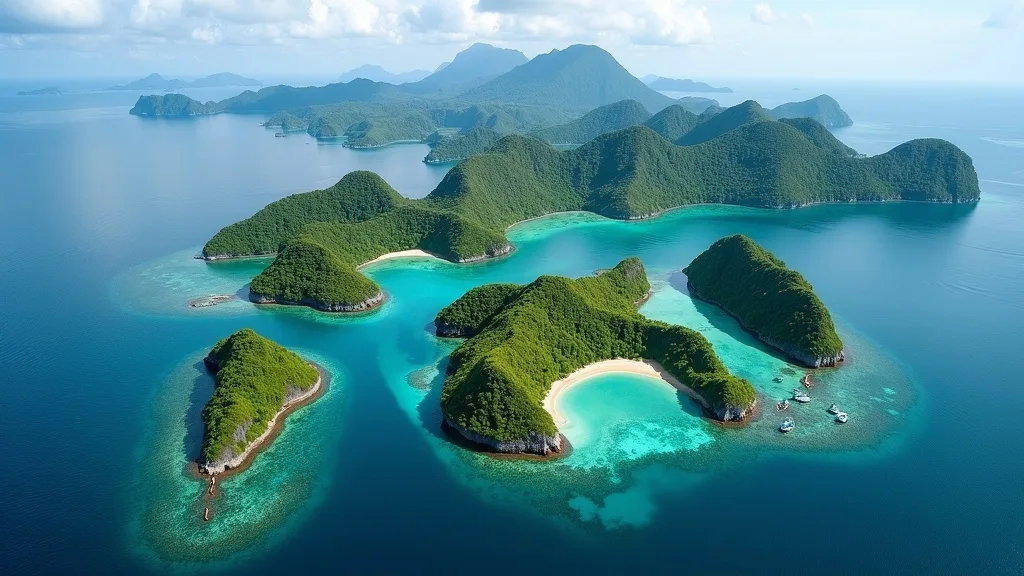
Wayag Raja Ampat faces significant climate change impacts, primarily coral bleaching and altered marine ecosystems. The environmental outlook for 2027 suggests continued pressure on its biodiversity, necessitating advanced conservation strategies. Monitoring wayag raja ampat climate change is crucial for understanding these evolving challenges and mitigating long-term damage.
Wayag Raja Ampat Climate Change: Environmental Impact and Future Outlook 2027
The pristine archipelago of Wayag, within Raja Ampat, remains a globally significant biodiversity hotspot, yet it is increasingly vulnerable to the pervasive effects of global climate change. Understanding the specific environmental impact and projecting the future outlook for 2027 is critical for informed conservation and sustainable tourism management. The region, renowned for its dramatic karst islands and vibrant marine life, is experiencing shifts that demand immediate attention and strategic adaptation.
Assessing the Environmental Impact on Wayag Raja Ampat in 2027
By 2027, the wayag raja ampat environmental impact will likely manifest through several key indicators. Ocean warming is the primary driver of coral bleaching events, which have already affected parts of Raja Ampat. While some areas demonstrate resilience, sustained elevated sea temperatures will continue to stress coral colonies, potentially reducing their ability to recover. This directly impacts the intricate food webs that rely on healthy coral ecosystems, from small reef fish to larger pelagic species. Changes in ocean chemistry, specifically acidification due to increased atmospheric carbon dioxide absorption, pose another silent threat. This phenomenon weakens the structural integrity of coral skeletons and other calcifying marine organisms, hindering their growth and resilience.
Furthermore, altered weather patterns and sea-level rise present tangible challenges. More frequent and intense storm events, though historically part of tropical climates, can inflict severe physical damage on shallow reef systems and coastal infrastructure. Accelerated sea-level rise, even by a few millimetres annually, threatens low-lying island habitats and freshwater lenses, which are vital for local communities. The delicate balance of Wayag’s unique ecosystem is extremely susceptible to these hydrological and atmospheric shifts. For visitors planning custom Wayag Raja Ampat tour packages tailored adventures for 2027, an awareness of these environmental pressures is increasingly important.
Wayag Raja Ampat Coral Reef Health 2027: Projections and Challenges
The prognosis for wayag raja ampat coral reef health 2027 is a mixed picture of resilience and vulnerability. Researchers are observing varying rates of recovery among different coral species, with some fast-growing, branching corals showing quicker bounce-back potential after bleaching events, while slower-growing, massive corals face longer recovery periods. Monitoring programmes are essential to track these dynamics accurately. The health of Wayag’s reefs is also intrinsically linked to the broader health of the entire Raja Ampat marine protected area network, which benefits from robust local management efforts and the region’s vast expanse.
Challenges include the potential for recurrent bleaching events, which diminish the corals’ energy reserves and reduce their long-term viability. Sedimentation from increased rainfall runoff, though not a primary concern in Wayag’s clear waters, could become an issue in other parts of the archipelago if land-use practices change. The presence of marine debris, while generally well-managed in Wayag, remains a persistent threat, especially plastics that can smother corals and entangle marine life.
Conservation Strategies and Adaptive Management for 2027
To safeguard Wayag’s future, a multi-faceted approach to conservation and adaptive management is paramount. These strategies include:
- Enhanced Monitoring: Implementing advanced remote sensing technologies and on-the-ground surveys to track wayag raja ampat coral reef health 2027 with greater precision.
- Local Community Engagement: Empowering local communities in sustainable resource management and waste reduction initiatives.
- Sustainable Tourism Practices: Enforcing strict guidelines for visitor numbers, diving practices, and waste disposal to minimise anthropogenic impact.
- Marine Protected Area Enforcement: Strengthening patrols and enforcement to prevent illegal fishing and destructive activities.
- Climate Change Advocacy: Contributing to global efforts to reduce greenhouse gas emissions, recognising that local actions alone cannot fully mitigate global climate threats.
An ongoing commitment to scientific research, particularly on coral resilience and adaptation mechanisms, will be vital. Understanding which coral species are more tolerant to warmer waters or ocean acidification could inform future restoration efforts and protected area zoning.
The Role of Sustainable Tourism in Mitigation
Tourism, when managed responsibly, can be a powerful force for conservation. Visitors to Wayag Raja Ampat contribute directly and indirectly to the local economy, providing an incentive for communities to protect their natural assets. By choosing operators committed to sustainable practices, visitors help fund conservation initiatives, support local livelihoods, and raise awareness about the fragility of these ecosystems. This site offers comprehensive information for planning your visit to Wayag Raja Ampat, ensuring your travel supports these vital conservation efforts.
2027 Note: The projections for 2027 underscore the urgency of addressing climate change impacts in Wayag Raja Ampat. While challenges are substantial, ongoing conservation efforts and global climate action offer hope for the resilience and recovery of its unique marine ecosystems.
FAQ
How is climate change impacting Wayag Raja Ampat, and what is the environmental outlook for 2027?
Climate change is primarily impacting Wayag Raja Ampat through increased ocean temperatures leading to coral bleaching, and ocean acidification which weakens coral structures. By 2027, the environmental outlook suggests continued pressure on marine biodiversity, with potential for more frequent bleaching events and altered marine ecosystems, necessitating robust conservation efforts and adaptive management strategies.
What are the primary threats to Wayag Raja Ampat’s coral reef health by 2027?
By 2027, the primary threats to Wayag Raja Ampat’s coral reef health include recurrent coral bleaching due to rising sea temperatures, ocean acidification reducing coral growth and structural integrity, and potential physical damage from more intense storm events. The cumulative effect of these stressors challenges the reefs’ natural recovery capacity.
What conservation strategies are being implemented to protect Wayag Raja Ampat from climate change impacts?
Conservation strategies include enhanced monitoring of coral reef health, strong enforcement of marine protected area regulations, promotion of sustainable tourism practices, and active engagement with local communities in resource management. These efforts aim to build resilience and mitigate the local impacts of global climate change on Wayag Raja Ampat.