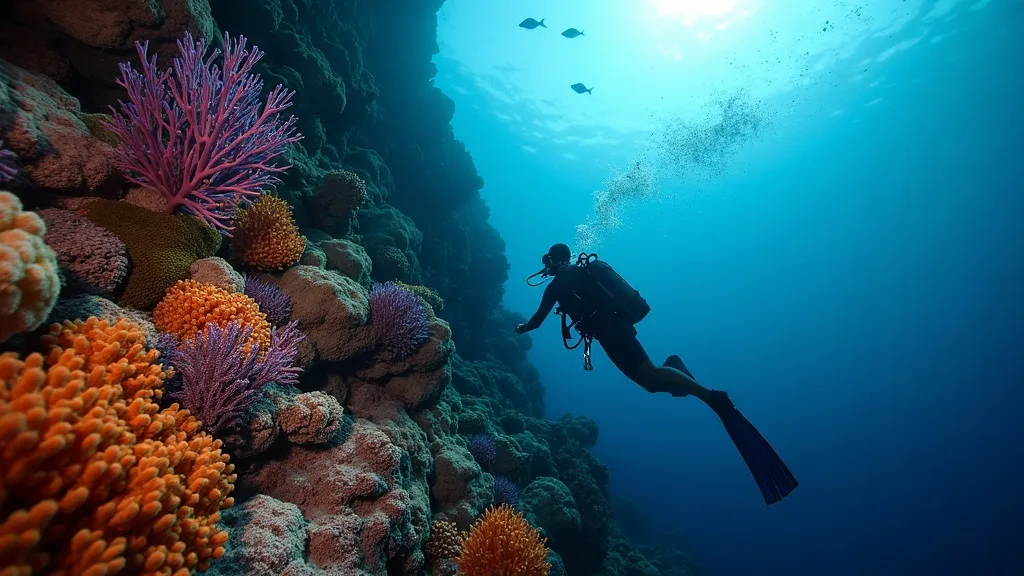
Understanding Wayag Raja Ampat customary law in 2027 involves respecting local traditions, environmental regulations, and specific visitor protocols enforced by the indigenous community. Key guidelines include adherence to designated pathways, no removal of natural items, and respectful interaction with the local populace to ensure sustainable tourism practices.
Wayag Raja Ampat Customary Law: Core Principles for 2027 Visitors
Wayag, a jewel within the Raja Ampat archipelago, is not merely a destination; it is the ancestral land of an indigenous community whose customs and traditions are intrinsically linked to its preservation. For visitors planning their journey in 2027, comprehending and respecting Wayag Raja Ampat customary law is paramount. These unwritten, yet deeply ingrained, regulations govern interaction with the environment and the local populace, ensuring the delicate ecosystem remains intact for future generations. The core principles revolve around reverence for nature, sustainable resource management, and maintaining social harmony.
The indigenous community views the land, sea, and all its inhabitants as sacred. This perspective translates into specific guidelines that, while not always overtly signposted, are expected to be observed by all. For instance, the collection of coral, shells, or any natural artefact is strictly prohibited. This extends beyond the obvious, encompassing even seemingly innocuous actions such as moving rocks or disturbing marine life. Understanding these nuances is vital for any responsible visitor. Furthermore, noise levels should be kept to a minimum, particularly in areas designated as sacred or during specific community events, which may be more frequent in 2027 with evolving tourism patterns.
The Role of the Wayag Raja Ampat Indigenous Community in Conservation
The conservation efforts in Wayag Raja Ampat are largely driven by the indigenous community, whose traditional ecological knowledge forms the bedrock of sustainable practices. Their involvement ensures that tourism, while economically beneficial, does not compromise the natural integrity or cultural heritage of the area. In 2027, the community’s role is expected to be even more pronounced, with heightened emphasis on local stewardship and visitor education. This includes direct engagement through local guides, who often serve as cultural ambassadors, explaining the significance of various sites and the rationale behind specific regulations.
Visitors are encouraged to engage with these guides to gain a deeper appreciation for the local customs and the intricate balance between human activity and environmental preservation. Their insights offer invaluable context to the landscape, from identifying medicinal plants to understanding traditional fishing methods that minimise ecological impact. This direct interaction fosters a more meaningful and respectful travel experience, aligning with the community’s vision for responsible tourism.
Navigating Wayag Raja Ampat Local Regulations 2027: What to Expect
As 2027 approaches, visitors to Wayag Raja Ampat will find a clear framework of local regulations designed to protect its unique biodiversity and cultural landscape. These regulations complement the broader national and provincial laws, adding specific layers of protection tailored to Wayag’s distinct environment. Key areas of focus include waste management, designated visitor zones, and wildlife interaction protocols.
- Waste Management: All waste, including organic matter, must be carried out of Wayag. There are no refuse facilities on the islets, reinforcing the ‘pack it in, pack it out’ principle.
- Designated Visitor Zones: Access to certain areas, particularly sensitive ecosystems or culturally significant sites, may be restricted or require special permission. Adherence to marked trails and viewing platforms is mandatory.
- Wildlife Interaction: Observing wildlife from a respectful distance is crucial. Touching, feeding, or disturbing any animals, marine or terrestrial, is strictly forbidden. This includes drone usage near nesting sites or in areas where it might disturb fauna.
- Permit Requirements: Ensure all necessary permits and entry fees are secured in advance. These funds directly contribute to conservation efforts and community development. Details for securing these can be found on our main site.
These guidelines are dynamic and may see minor adjustments by 2027 to adapt to environmental changes or increased visitor numbers. It is always advisable to check the latest updates prior to your visit, perhaps even considering custom Wayag Raja Ampat tour packages that incorporate these regulations directly into their itineraries.
Environmental Stewardship and Respect for Cultural Heritage
The beauty of Wayag is inextricably linked to its pristine environment and the rich cultural heritage of its people. Environmental stewardship is not merely a suggestion but a fundamental expectation for all who visit. This encompasses everything from responsible diving and snorkelling practices – such as avoiding contact with coral and marine life – to minimising one’s carbon footprint during travel. Respect for cultural heritage extends to understanding local etiquette, dressing modestly in villages, and seeking permission before photographing individuals.
Understanding that Wayag is not just a scenic backdrop but a living cultural landscape is crucial. Your visit contributes to the local economy, and by adhering to these guidelines, you are actively participating in the preservation of one of the world’s most biodiverse and culturally significant regions. The principles of reciprocity and respect underpin all interactions, ensuring a mutually beneficial experience for both visitors and the host community.
2027 Note on Sustainable Tourism Evolution
As 2027 progresses, Wayag Raja Ampat is projected to strengthen its position as a leader in sustainable tourism. Expect increased initiatives focusing on community-led conservation, enhanced visitor education programmes, and potentially revised entry protocols to further safeguard the area. These evolving measures reflect a global shift towards more responsible travel, with Wayag at the forefront of protecting its natural and cultural assets.
FAQ
What are the customary laws and visitor guidelines I need to be aware of when visiting Wayag Raja Ampat in 2027?
When visiting Wayag Raja Ampat in 2027, you must adhere to several customary laws and visitor guidelines. These include strict adherence to designated pathways, no removal of any natural items (e.g., coral, shells, rocks), maintaining low noise levels, responsible waste management (pack it in, pack it out), respecting wildlife by observing from a distance without touching or feeding, and obtaining all required permits and entry fees. Additionally, cultural sensitivity, such as modest dress in villages and seeking permission for photography, is expected.
Why is respecting Wayag Raja Ampat customary law so important for visitors?
Respecting Wayag Raja Ampat customary law is crucial for several reasons. It honours the indigenous community’s deep connection to their ancestral lands and their role in preserving the unique biodiversity. Adherence to these laws ensures the sustainability of the delicate ecosystem, prevents cultural disrespect, and contributes positively to the local economy through responsible tourism. It ensures the area remains pristine for future generations and maintains harmonious relations between visitors and the local community.
How do local regulations in Wayag Raja Ampat specifically protect the environment and culture in 2027?
Local regulations in Wayag Raja Ampat for 2027 protect the environment and culture by enforcing strict waste management protocols, designating specific visitor zones to limit impact, prohibiting the disturbance or removal of natural elements, and regulating wildlife interactions. Culturally, they promote respectful engagement with the indigenous community, encourage the use of local guides who share traditional knowledge, and ensure that tourism benefits directly support conservation efforts and community development initiatives. These measures collectively safeguard both the natural integrity and the cultural heritage of Wayag.