Navigating the 2026 Wayag Raja Ampat Permit Structure
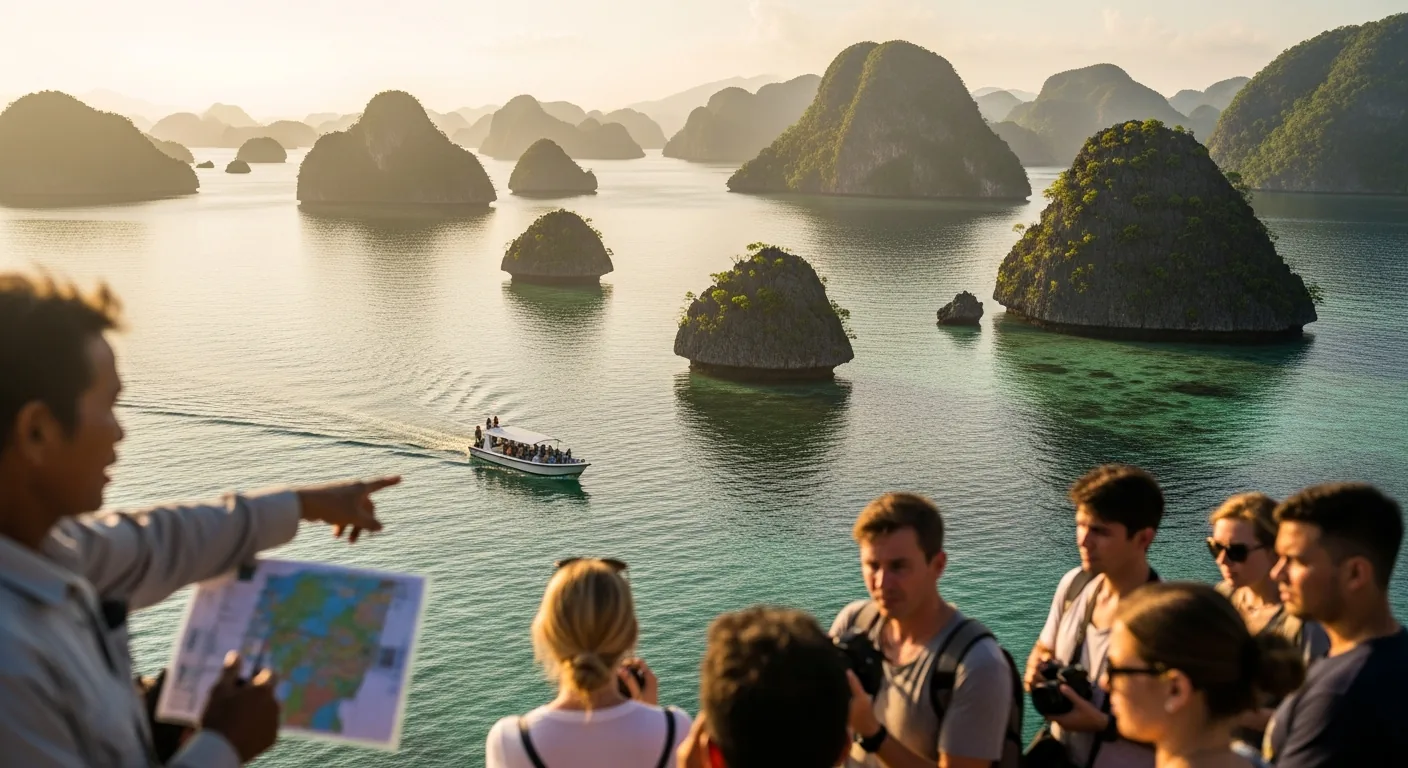
The speedboat’s hull slaps a rhythmic cadence against the dark, glassy water of the Dampier Strait. It is 4:00 AM, hours before the sun will breach the horizon. The air, thick with salt and the scent of damp jungle, rushes past. This is the pilgrimage. From the small port of Waisai, the capital of the Raja Ampat Regency, the objective lies over 150 kilometers to the northwest: Wayag. For the serious photographer and the dedicated adventure traveler, this pre-dawn departure is a necessary rite. The goal is to witness the first light spill over the archipelago’s most celebrated collection of karst formations, a panorama viewed from the promontory of Mount Pindito. See also: Wayag Raja Ampat Tours.
Yet, reaching this remote sanctuary involves more than chartering a vessel and navigating by starlight. A complex, often opaque, system of permits and fees governs access to this protected marine environment. For those planning a visit in 2026, understanding this financial architecture is as critical as plotting a course. The primary challenge for travelers is deciphering the multiple layers of required payments: a national marine park tariff, a regional conservation fee, and a specific local entrance contribution. Failure to account for this multi-tiered system can lead to logistical friction and budgetary shortfalls, turning a meticulously planned expedition into a frustrating exercise in bureaucracy. See also: explore Home.
Decoding the Cost: The Raja Ampat Marine Park Tag (PIN)
The foundational component of any visit to the regency is the Raja Ampat Marine Park Entry Permit, locally known as the PIN. This is not a fee specific to a single island like Wayag, but rather a tariff for entry into the entire 4.6 million-hectare Raja Ampat Marine Protected Area. Mandated by the central government’s Ministry of Marine Affairs and Fisheries (KKP) and managed by the Raja Ampat Marine Park Authority (UPTD), the revenue from these tags directly funds conservation initiatives. These include reef monitoring, community-based patrol teams that deter blast fishing, and waste management programs in local villages. See also: book Wayag Viewpoint Hike.
The PIN is a physical, waterproof tag, often designed as a durable plastic card or coin, which must be carried at all times within the park’s boundaries. Checks are infrequent but can occur, particularly at high-traffic dive sites or popular anchorages. The key detail for planners is its validity: 12 months from the date of purchase. For a traveler making a single, concentrated trip, this extended duration is less relevant, but it underscores the tag’s role as a park-wide pass rather than a single-use ticket. As of late 2023, the fee was set at IDR 1,000,000 for international visitors and IDR 500,000 for Indonesian nationals. This structure is expected to remain, with potential inflationary adjustments by 2026. See also: Contact pricing.
The Wayag-Specific Fee: Understanding the Local Retribusi
Herein lies the most common point of confusion. Possession of the Marine Park PIN does not grant automatic, all-inclusive access to Wayag. The Wayag island group is managed directly by the local community and the regional government, which levy a separate entrance fee known as a retribusi. This fee is a form of direct payment for the maintenance of the specific site, including the upkeep of the trails to the Wayag viewpoints, the ranger post, and supporting the local community that acts as custodians of the area.
Dr. Adrian Hidayat, a marine biologist with the Indonesian Institute of Sciences (LIPI) who has conducted extensive research in the region, clarifies the distinction. “The KKP’s PIN is a macro-level conservation tool for the entire MPA network,” he explains. “The Wayag retribusi is a micro-level instrument. It ensures that the communities who have for generations practiced traditional conservation, like the sasi system, see a direct economic benefit from tourism. This creates a powerful incentive for local stewardship.” This fee is typically paid on-site at the ranger post upon arrival in Wayag’s main sheltered bay. Tour operators, such as a dedicated wayag tour provider, will almost always handle this transaction as part of their service package, bundling the cost into the overall charter price to avoid delays and complications for their clients.
Projected 2026 Wayag Permit & Conservation Fee Structure
For travelers budgeting for a 2026 expedition, anticipating the total government-mandated cost is essential. Based on historical price adjustments of approximately 5-10% every two to three years and consultations with regional tourism officials, we can project the likely fee structure. The following table provides an estimated breakdown of the per-person costs required to legally access the Wayag island group, separate from transport and accommodation.
| Fee Component | International Visitor (Projected 2026) | Domestic Visitor (Projected 2026) | Purpose & Validity |
|---|---|---|---|
| Raja Ampat Marine Park Tag (PIN) | IDR 1,200,000 (~$75 USD) | IDR 600,000 (~$38 USD) | Access to the entire Raja Ampat MPA. Valid for 12 months. |
| Wayag Local Entrance Fee (Retribusi) | IDR 750,000 (~$47 USD) | IDR 500,000 (~$31 USD) | Specific access to Wayag Islands. Per entry. |
| Total Per Person | IDR 1,950,000 (~$122 USD) | IDR 1,100,000 (~$69 USD) | Total mandatory fees for one visit to Wayag. |
Note: USD conversions are estimates based on a projected exchange rate of 16,000 IDR to 1 USD and are subject to fluctuation. These figures do not include porter fees or voluntary guide tips.
How and Where to Acquire Your Wayag Permits
Securing the necessary permits requires a deliberate approach. While the process is becoming more streamlined, it is not yet a seamless digital experience. Travelers have several options for acquiring the essential Marine Park PIN, while the local retribusi is handled differently.
- Waisai Permit Office: The primary point of purchase is the official UPTD office located on Jalan Yos Sudarso in Waisai. This is the most reliable method for independent travelers arriving by public ferry from Sorong. Payment is typically required in Indonesian Rupiah (cash).
- Sorong Airport Counter: A secondary counter often operates at Domine Eduard Osok Airport (SOQ) in Sorong, the main air gateway to Raja Ampat. Its operating hours can be inconsistent, making it a less dependable option.
- Through a Tour Operator: The most efficient method is to have your permits arranged in advance by your chosen tour operator. A reputable company like Wayag Raja Ampat Tours will procure the PIN on your behalf, ensuring it is ready upon your arrival and averting any potential delays.
The Wayag-specific retribusi, as mentioned, is almost always paid upon arrival at the Wayag ranger post. Your wayag speedboat captain will facilitate this payment. It is crucial to confirm with your charter service that this fee is either included in your package or to have the exact cash amount (in IDR) ready to avoid any issues on-site.
Beyond Permits: Budgeting for Your Wayag Speedboat Charter
The permit fees, while significant, are a relatively small component of the total cost of a day trip to Wayag. The primary expenditure is transportation. Due to its remote location, the only practical way to reach Wayag from Waisai is via a private speedboat charter. There are no public ferries or shared tours that make the 300-kilometer round trip in a single day.
A private charter for a vessel accommodating 6-10 passengers can range from $1,200 to $1,800 USD for the day. This price is heavily influenced by fuel costs, which constitute over 60% of the total charter expense. The price typically includes the boat, captain, and one or two crew members. It is essential to clarify what is included; meals, drinks, and the Wayag retribusi may or may not be part of the initial quote. When vetting an operator, inquire specifically about the boat’s engine specifications (twin engines are standard for safety and reliability on this long open-water crossing) and the onboard safety equipment, including life vests, GPS, and a satellite phone.
The Photographer’s Ascent: Accessing the Mount Pindito Viewpoint
The entire purpose of the long journey culminates in the ascent of Mount Pindito. This is not a technical climb but a steep, short scramble up a combination of wooden stairs and jagged limestone rock. The trek takes between 25 and 40 minutes depending on fitness and humidity. The reward is the celebrated panorama of the Wayag lagoon, a composition of turquoise water and dozens of green-capped karst islets. There are two primary viewpoints on Mount Pindito; the first provides a wide, sweeping vista, while a second, slightly higher platform offers a more compressed, dramatic perspective favored by many photographers.
Access to the wayag viewpoint on Mount Pindito Wayag is included in the local retribusi fee. A local guide from the ranger post, or often the boat’s own crew, will lead the way. It is advisable to wear sturdy, closed-toe footwear with good grip, as the limestone can be sharp and slippery, especially after rain. Most ascents are timed for sunrise or late afternoon to take advantage of the best light and cooler temperatures, a critical consideration for any photographic expedition.
Actionable Steps for Your 2026 Wayag Expedition
Planning a trip to one of the planet’s most protected seascapes requires precision. Follow these steps to ensure a seamless experience:
- Confirm Your Budget: Factor in the projected 2026 permit costs (~$122 USD per person) and the substantial speedboat charter expense (~$1,500 USD per boat).
- Engage a Reputable Operator: Contact a specialist service to handle logistics. A dedicated wayag tour provider can manage permits, boat charters, and provide crucial local knowledge.
- Prepare for the Logistics: Carry sufficient Indonesian Rupiah, especially for smaller purchases. Confirm all inclusions and exclusions with your charter operator in writing.
- Pack Appropriately: For the Mount Pindito Wayag ascent, prioritize footwear with excellent traction. Bring sun protection, a reusable water bottle, and waterproof bags for camera equipment.
The complexities of accessing Wayag are part of what preserves its character. By understanding the fee structure and planning accordingly, you contribute directly to the conservation of this extraordinary marine ecosystem. To have all permits, fees, and a private speedboat charter managed professionally, contact our specialists to begin planning your 2026 Wayag exploration.
Contact Wayag Raja Ampat Tours at bd@juaraholding.com to arrange your charter.